
Introduction
Have you ever imagined yourself amidst the golden dunes, riding a camel through endless expanses, watching the sunset paint the sky in a palette of fiery colors? If yes, then you’re undoubtedly dreaming of Arabia Oman, a land of countless natural wonders, vibrant culture, and fascinating traditions.
Arabia Oman, also known as the Sultanate of Oman, is a country located in the southeastern corner of the Arabian Peninsula. Its landscape is dramatic, comprising of vast sandy deserts, towering mountain ranges, deep wadis, and pristine beaches. Making up for its harsh terrain, the region boasts breathtaking, untouched beauty that leaves explorers awestruck.
In this journey through Arabia Oman, we will explore its most captivating deserts and wadis, which are unique geological features common in arid regions.
Dune Fields of the Empty Quarter
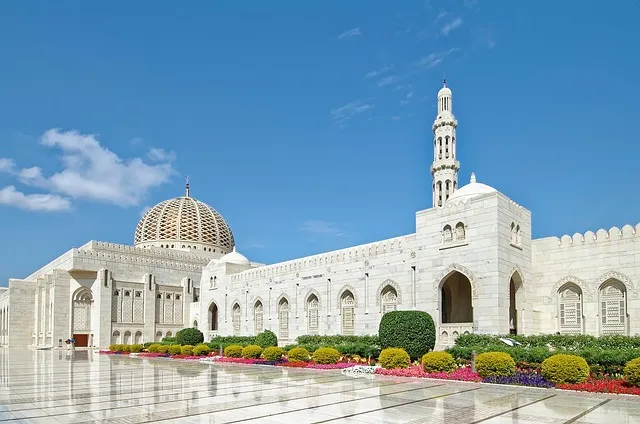
Spanning 250,000 square kilometers of golden sand, the Rub’ al Khali (Empty Quarter) stands as one of the most mesmerizing landscapes in Arabia Oman. As the world’s largest continuous sand desert, it stretches from the southern borders to the vast sandy reaches of Saudi Arabia.
Visiting the Empty Quarter is an experience like no other. Its tranquility invigorates the soul while its formidable wilderness testifies to the region’s natural wonders. This vast sea of sand harbors numerous surprises, from occasional oases to a rich array of wildlife thriving in its unique ecosystem.
As you trek across the vast emptiness, be sure to pause and marvel at the night sky. The Rub’ al Khali’s isolation from densely populated areas results in one of the darkest night skies in the world, offering an unparalleled stargazing experience.
Wadi adventures
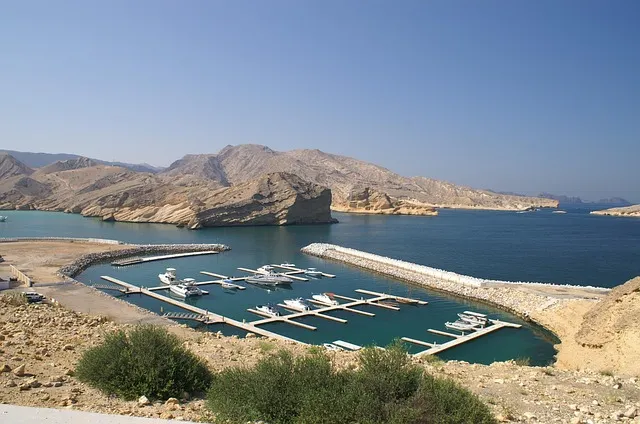
Wadis, or dry river valleys, abound in Arabia Oman, carving their way through mountain ranges, deserts, and oases. These picturesque landscapes provide an exciting array of activities and relaxation options.
wadi Ghul*
Located in the spectacular Hajar mountains, Wadi Ghul, meaning “the collapsed one,” offers rugged trails and jaw-dropping views of ancient limestone cliffs. Promising a spectacular multi-day hiking excursion, Wadi Ghul’s highlights include natural pools, prehistoric rock formations, and an unusual sinkhole-filled valley floor.
wadi Bani Khalid*
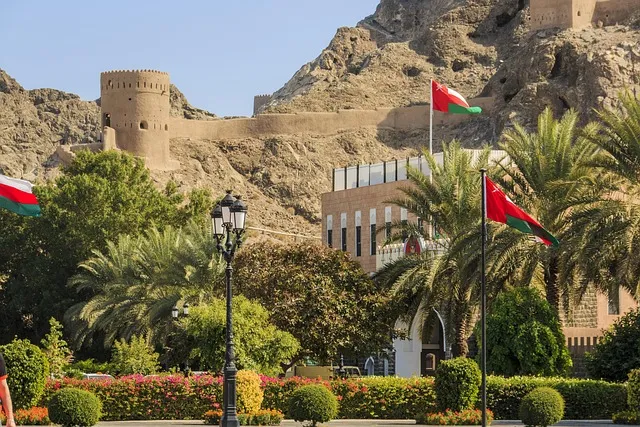
One of the most famous wadis, Wadi Bani Khalid boasts serene landscapes with palm-lined pools and crystal-clear waters that invite for refreshing dips. Tucked away in the mountains, this oasis is a haven for flora and fauna alike. Its towering cliffs cast amazing and ever-changing shadows across the valley floor, ensuring that no two pictures would look the same.
Exploring Jabal Shams
No journey through Arabia Oman would be complete without a visit to Jabal Shams, the highest mountain in Oman. This revered peak dominates the colorful landscape with its snowy summit glistening in the sun as the only snow-capped mountain in the region.
Jabal Shams is nothing short of magical, day turning into night twice at the peak, revealing an alluring landscape that pays homage to the ups and downs of nature. Come prepared for a thrill as you traverse abrupt ascents and descents, passing through twisting hairpin turns, enjoying panoramic vistas over sweeping valleys below.
Oman’s Desert Safari
Himyarite ruins, friendly Bedouin tribes, starlit skies, and dromedary camels, Arabia Oman offers a unique desert safari experience like no other. From dune bashing and sandboarding to Bedouin-style overnight stays, there is no better way to embrace Arabia Oman at its purest.
The desert safari showcases the region’s rich cultural heritage while imparting a taste of its unspoiled wilderness. The challenge of traversing through the desert and sleeping under the stars will leave you with unforgettable memories of Arabia Oman.
Conclusion
Arabia Oman’s deserts and wadis leave you in awe. Its vast desertscapes contrast starkly with its lush oases and towering mountains. The region’s solitude, combined with its endless natural beauty, offers a unique time of reflection for those willing to venture into its wild expanses.
The Arabia Oman experience is for the bold and curious explorer, inviting them to test their limits as they embark on a journey through the world’s most stunning deserts and wadis. If you’re seeking a destination that guarantees a life-changing experience, Arabia Oman has got you covered.
Frequently Asked Questions
1. Is Oman safe for tourists?
Yes, Oman is one of the safest countries in the Middle East. It has very low crime rates, friendly locals, and a stable government. It's welcoming to all nationalities and solo female travelers.
2. What is the best time to visit Oman?
October to April offers the best weather with temperatures between 25-35C. Avoid June to August when temperatures can exceed 45C. The Khareef (monsoon) season in Salalah (July-September) is a unique green exception.
3. What should I wear in Oman?
Dress modestly covering shoulders and knees, especially outside resort areas. At mosques, women should cover their hair. Swimwear is acceptable at beaches and hotel pools.
4. How many days do you need in Oman?
Five to seven days is ideal to explore Muscat, Nizwa, Jebel Akhdar, Wahiba Sands desert, and the stunning wadis. Add more days for Salalah or the Musandam peninsula.
5. Is Oman expensive to visit?
Oman is moderately priced. Hotel rates are lower than Dubai or Abu Dhabi. Budget travelers can spend $50-80/day, while mid-range travelers should budget $100-150/day including accommodation and activities.

Discussion