
Existence is very much like a phoenix that rises again and again from the ashes. There’s one city that embodies this concept more than any other - Beirut.
Introduction to Beirut
Beirut, the capital city of Lebanon, is one of the oldest continuously inhabited cities in the world. Its rich history, vibrant culture, and legendary nightlife have always made it a favorite spot for tourists from all over the globe. Yet, in the past few years, Beirut has emerged as a phoenix from the ashes of its turbulent past to become an exciting destination you must visit now.
1. Rich History
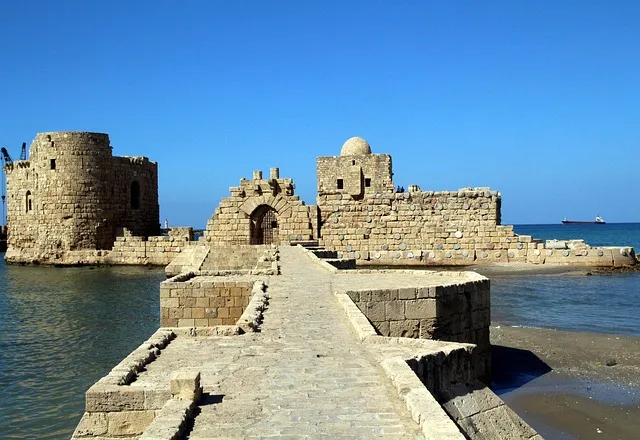
One of the remarkable aspects of Beirut is its blend of ancient and modern history. It’s a city where you can witness the scars of the past alongside the hustle and bustle of contemporary life. From the Phoenician ruins at the National Museum of Beirut to the lavish palaces and grand mosques of the Ottoman era, there are plenty of historical landmarks to explore in this city.
The Lebanese Civil War (1975-1990) left Beirut devastated, and it is still evident in some parts of the city. However, the resilience of the people has transformed the city, and you can see new architectural marvels alongside ruins that tell stories of a conflicted past.
2. Diverse Culture
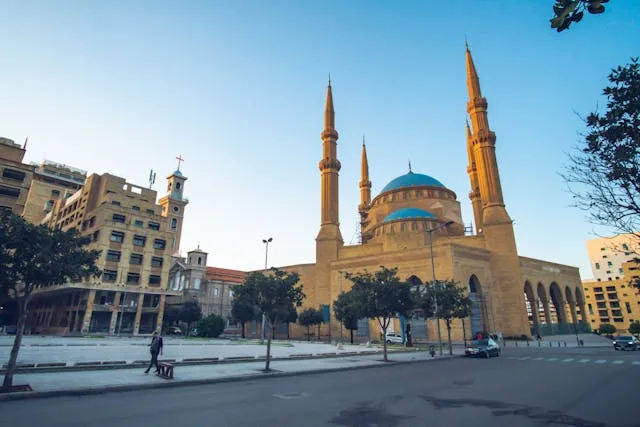
Beirut is a melting pot of cultures, with influences from the Phoenicians, Greeks, Romans, Ottomans, French, and more. This cultural melting pot has produced a unique and diverse city that you can see, taste, and feel everywhere.
Among its many cultural offerings, the Cinéma du Parc is a great example. It’s the first cinema in Lebanon that screens independent films from Lebanon and other countries. This place stands for freedom of expression, making it a true icon of the Beirut’s rich and vibrant culture scene.
3. Enthralling Nightlife
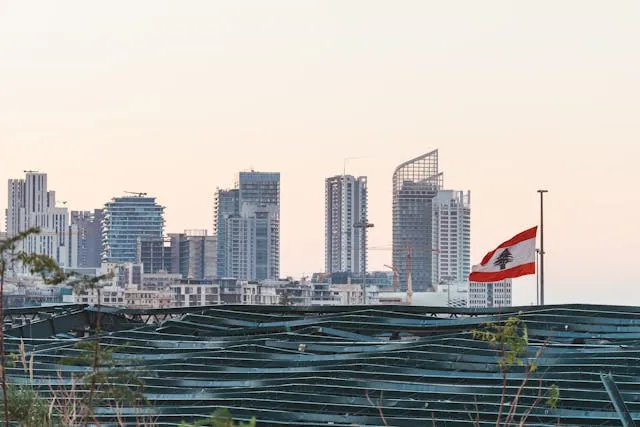
Beirut is a city that never sleeps. Its nightlife is possibly one of the most thrilling in the Mediterranean. From the bohemian streets of Mar Mikhael and Gemmayze to the beachfront bars of Tayyouneh and advanced dance clubs of Achrafieh, there’s no shortage of places for a great night out in Beirut.
Ralph’s Place, a bar located in the heart of Beirut, is a great example. It’s an institution in itself, where individuals gather to discuss and argue over everything from politics to art. This is a reflection of Beirut’s lively and spirited culture, which is not afraid to engage in intellectual and open-ended debates.
4. Delicious Food
No trip to Beirut is complete without indulging in its world-famous cuisine. Lebanese food is a delightful mix of flavors, received from coast to coast as a result of Lebanon’s position as a crossroads of civilizations. From hummus and falafel to mana’ish and tabbouleh, there’s something for everyone’s taste.
One restaurant that perfectly captures the essence of Beirut’s culinary scene is Tawlet. It’s a restaurant with a difference because it helps raise money for a cooperative of women farmers. Not only do you get fabulous food, but you also contribute to a cause that supports women in rural areas.
Conclusion
Beirut may be known for rising from the ashes, but it is much more than a city of renewal. It’s a city of resilience, where the past and the present coexist, and where every corner holds a unique story waiting to be discovered. So pack your bags, grab your camera, and get ready to witness the rebirth of an extraordinary city where the sun always shines a little brighter.
In summary, if you ever lose yourself in thoughts about where to travel next, remember that at the heart of the Mediterranean lies a phoenix of a city that invites you to experience the old and new, enjoy the flavors of superb cuisine, delve into tales from rich history, and immerse in their lively, diverse, and spirited culture. Visit Beirut now and witness the rebirth of the Phoenix of the Mediterranean.
Frequently Asked Questions
1. Is Beirut safe to visit?
Beirut's safety situation can change. Check current travel advisories before planning. When stable, central Beirut neighborhoods like Hamra, Gemmayzeh, and Achrafieh are generally safe for tourists.
2. What is Beirut known for?
Beirut is known for its vibrant nightlife, incredible Lebanese cuisine, resilient culture, historic sites, and being a fascinating mix of ancient and modern. The city has rebuilt itself multiple times throughout history.
3. What food should I try in Beirut?
Must-try foods include hummus, tabbouleh, fattoush, kibbeh, shawarma, manoushe (Lebanese flatbread), fresh fruit juices, and baklava. Lebanese cuisine is considered one of the world's best.
4. What is there to do in Beirut?
Visit the National Museum, explore Gemmayzeh and Mar Mikael for nightlife, walk the Corniche, see Pigeon Rocks, explore the ancient ruins at downtown, and take day trips to Byblos, Baalbek, and the Jeita Grotto.
5. When is the best time to visit Beirut?
Spring (April-June) and fall (September-November) offer the best weather. Summers are hot and humid, while winters are mild with some rain. The Mediterranean climate makes it pleasant most of the year.

Discussion