
Introduction
Curacao, a vibrant island in South America, is an eclectic blend of colorful cultures and stunning landscapes. This Dutch Caribbean island boasts an intriguing history and an inviting atmosphere that draws tourists from all over the world. If you are considering a tropical vacation destination with a unique flair, look no further than Curacao.
History of Curacao
Curacao’s history dates back to the early 16th century when Spanish settlers first arrived. The island was strategically located in the Caribbean and became a significant stop for Dutch and English traders during the Age of Exploration. In 1635, the Dutch West India Company colonized Curacao, paving the way for the island to become a crucial Dutch stronghold in the Caribbean. The island changed hands several times between the Dutch, the British, and the Spanish before finally becoming a constituent country of the Kingdom of the Netherlands in 1954.
This rich history has influenced Curacao’s unique architecture, infrastructure, and culture, which exhibit a mix of West African, Latin American, and European traditions.
What Makes Curacao Special?
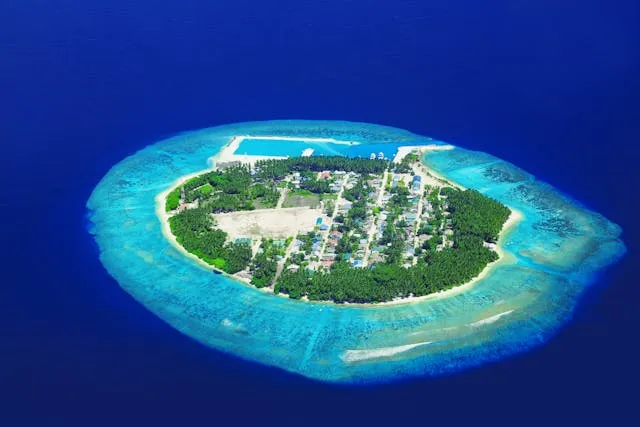
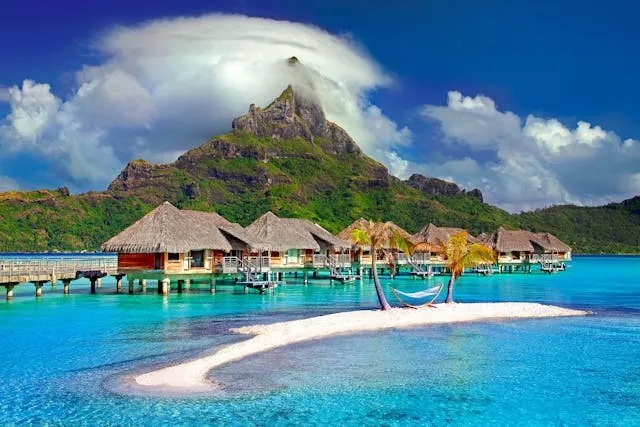
While many Caribbean islands may offer azure waters and powdery white sands, Curacao’s unique charm lies in its extraordinary landscape, colorful architecture, and street art scene.
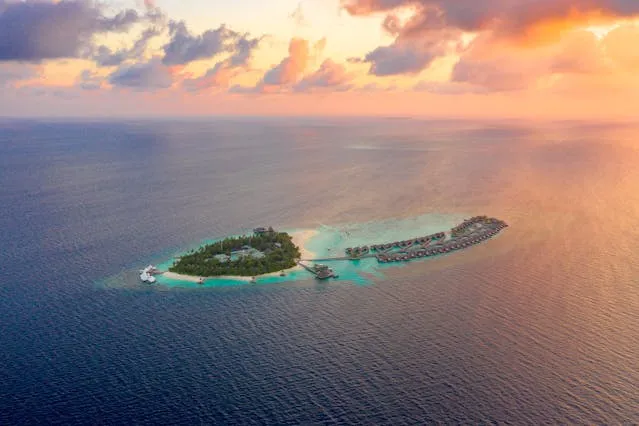
The island boasts crystal-clear blue waters, spectacular dive sites, and well-preserved coral reefs that provide a haven for marine life. Curacao is also famous for its vibrant capital, Willemstad, which is an UNESCO World Heritage site.
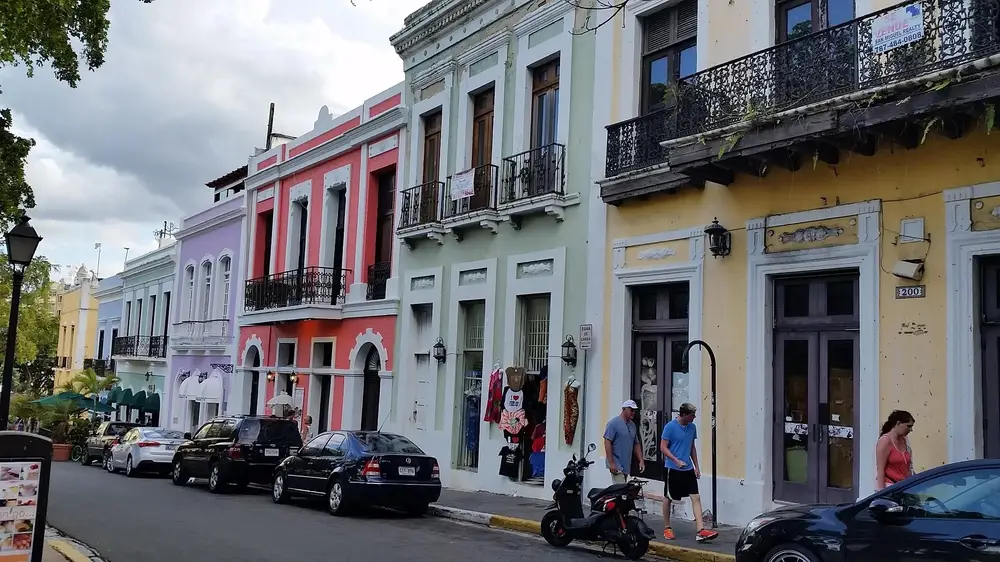
Noteworthy sites in Willemstad include the beautifully intricately decorated floating houses, the historic Fort Nelson, and the nearby Mechelen lighthouse. Curacao’s oxidized wood architecture injects the city with a delightful sense of color and uniqueness.
If you want to explore Curacao’s intriguing street art scene, head to the neighborhood of Otrobanda, where the wrapping of buildings in vibrant colors and artwork is a hallmark of the local artistic expression. The dynamic art scene showcases the creativity and willingness of the Curacao people to express their identity through art and color.
Culinary Delights in Curacao
The culinary scene in Curacao is a delightful experience that combines traditional Dutch and Latin American cuisine with Caribbean flavors to create mouth-watering dishes. Some popular local favorites include:
Keshi Yena - A traditional Caribbean dish made of spiced rice and beans, stuffed in a green pepper, and battered with bread crumbs before baking.
Z lootji - A classic Curacaoan spicy, fiery condiment made with chili peppers, stemming from the West African tradition of using spicy sauces.
Meetballen - Dutch street food made of beef meatballs marinated in a tomato-based sauce - an unexpected yet delicious fusion you can find on many eateries on the island.
Paboreken - A delicious pastry filled with meat and spices. Similar to a empanada, they bring Latin American flavors to the Caribbean island.
Explore the Unspoiled Nature of Curacao
Besides Willemstad’s vibrant city life, Curacao offers stunning natural landscapes. The rugged and rugged terrain of the island is a haven for adventurous spirits. Explore the pristine beaches, hike Curacao’s highest point, Christoffelberg, and dive into the diverse marine life inhabiting the reefs and shipwrecks around the island.
Conclusion
If you’re seeking an enchanting destination that combines history, culture and natural beauty, Curacao is a must-visit. From its unique Dutch and Latin American architecture and cuisine to the extraordinary natural beauty of the island, Curacao is a fascinating South American Caribbean haven waiting to charm tourists from around the globe.
Find your Caribbean fix in Curacao, a place where no color is too bright, and no tradition is off limits, ensuring an unforgettable experience that lingers in your heart long after you leave.
Frequently Asked Questions
1. Is Curacao in South America?
Curacao is located in the southern Caribbean Sea, just 65 km north of Venezuela. While geographically close to South America, it's technically part of the ABC islands (Aruba, Bonaire, Curacao) in the Lesser Antilles.
2. Do you need a passport to visit Curacao?
Yes, most visitors need a valid passport. Curacao is a constituent country of the Kingdom of the Netherlands. US and EU citizens don't need a visa for stays under 90 days.
3. What is Curacao known for?
Curacao is known for its colorful Willemstad waterfront (UNESCO World Heritage), crystal-clear waters, diverse diving and snorkeling spots, Blue Curacao liqueur, and a blend of Dutch and Caribbean cultures.
4. When is the best time to visit Curacao?
Curacao is a year-round destination as it sits outside the hurricane belt. The driest months are January to September. October to December sees slightly more rain but fewer tourists and lower prices.
5. Is Curacao expensive?
Curacao is moderately priced for the Caribbean. It's cheaper than Aruba but more expensive than mainland South American destinations. Budget travelers can find affordable guesthouses and local restaurants.
Discussion