
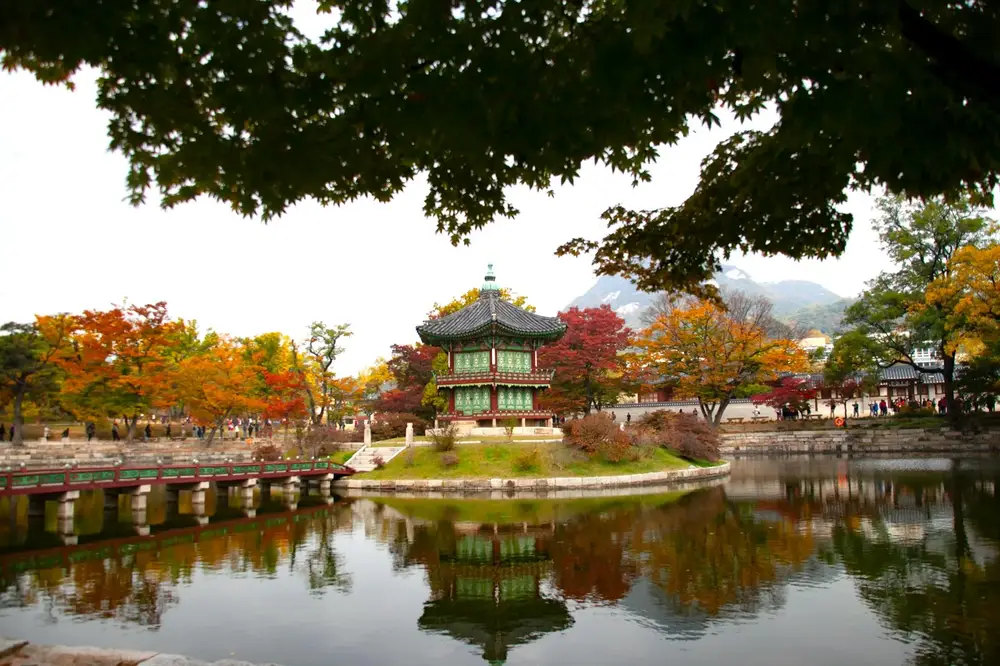
Gyeongbokgung Palace Guide: Explore One of Seoul's Most Iconic Landmarks
Nestled in the heart of Seoul, South Korea, Gyeongbokgung Palace (Gongbukong-ttang) stands as a timeless testament to Korean heritage and history. Originally built in 1395 during the Joseon Dynasty as the royal palace, Gyeongbokgung has since become a symbol of Korea's rich and dynamic culture, art, and traditions.
A trip to Seoul isn't complete without a visit to this architectural masterpiece, which has appeared in countless K-Dramas and served as a backdrop for countless moments of Korean history. Whether you're interested in historical landmarks, striking architecture, or learning more about traditional culture, Gyeongbokgung Palace offers something for everyone.
Gyeongbokgung Palace History
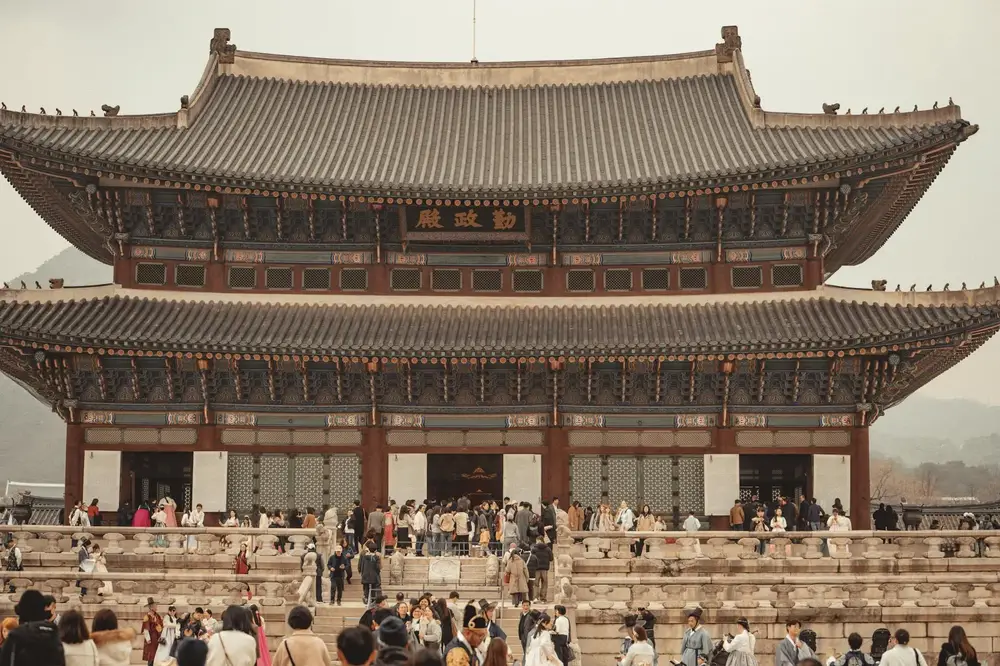
Gyeongbokgung Palace was built by the 4th Joseon king, Jeongjong in 1395. Originally named Gyeongbin-kung, it was later renamed Gyeongbokgung, meaning "Construction of Perfection and Happiness." The palace grounds cover an impressive 5.02 acres, with nearly 20 buildings dispersed throughout.
The palace had undergone several constructions and destructions throughout its history. Most notably, during the Japanese occupation in 1592, much of the palace was destroyed. Later, during the Korean War, it was almost completely destroyed. Thanks to decades of restoration and rebuilding efforts, Gyeongbokgung Palace has reclaimed its status as a symbol of Korean heritage.
Hanbok Free Entry
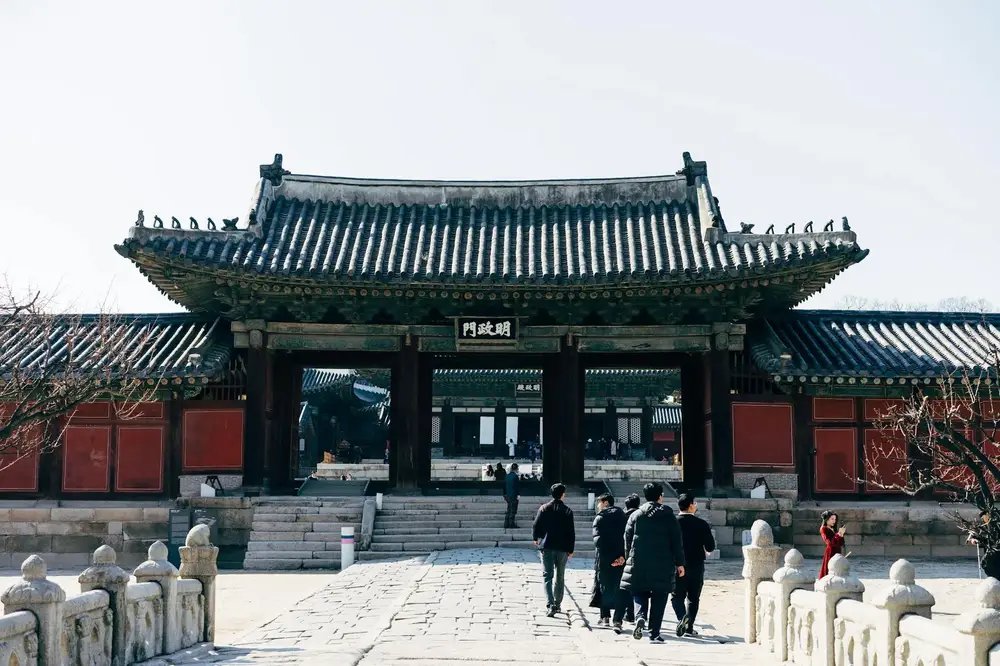
For visitors interested in experiencing traditional Korean attire, Gyeongbokgung Palace allows entry in Hanbok for free. Hanbok, the traditional Korean clothing, allows visitors to feel and experience the rich history and culture of the nation. Visitors can rent a Hanbok in the Hanbok Rental shops near the entrance.
Changing of the Guard Ceremony Times
The Changing of the Guard Ceremony, where the Presidential Guards change shifts, is held near the Gyeongbokgung Palace. The ceremony reflects the importance of the monarchy in Korean history and its resilience throughout the years. While the ceremony is primarily held for the Blue House, tourists still have the opportunity to witness this tradition. The timings may change, so be sure to check schedule information ahead of time.
Night Opening in 2026
Unfortunately, the night openings at Gyeongbokgung Palace were initially scheduled for Summer 2020 but had to be rescheduled due to unforeseen circumstances. We strongly advise checking with local authorities to confirm if and when the night openings will happen in 2026, as this is an unforgettable experience for seeing the palace illuminated against the dark backdrop of the night sky.
Bukchon Hanok Village to Gyeongbokgung
A popular attraction near Gyeongbokgung Palace is the Bukchon Hanok Village. Situated in the northern part of the palace, it is one of the last remaining traditional villages in Seoul. The village offers visitors a unique chance to experience the traditional culture of Joseon Dynasty Korea in an unspoiled setting.
Gwanghwamun Gate
The Gwanghwamun Gate is the main entrance to Gyeongbokgung Palace. It is also the largest of the Four Main Gates to the palace. This striking granite structure was rebuilt in 1999 and is lit up after dark, making it a popular spot for night photography in the area.
Gyeongbokgung Palace Autumn Foliage
Autumn in Korea is a beloved season, and it is no different when it comes to scenic spots like Gyeongbokgung Palace. The palace grounds boast numerous trees whose leaves transform into spectacular shades of orange, yellow, and red during the autumn months.
K-drama Filming Locations
Because the palace boasts an exquisite mix of traditional and modern architecture, it has been used extensively as a filming location for numerous K-Dramas. Some popular dramas that have featured Gyeongbokgung Palace include "Hwayugi: A Messenger Who Doesn't Know Where to Deliver Her Letter," "Hotel Del Luna," and "My Country."
Frequently Asked Questions
1. Is it closed on Tuesdays?
Yes! Unlike other palaces, Gyeongbokgung is closed on Tuesdays.
2. Is entry free if I wear Hanbok?
Yes! Visitors wearing traditional Hanbok get free admission.
3. When is the changing of the guard?
It usually happens at 10 AM and 2 PM daily (except Tuesdays). Check the schedule.
4. How much time do I need?
Allow 1.5 to 2 hours to walk through the main compounds and the secret garden area.
5. Is there a museum?
Yes, the National Folk Museum of Korea is located within the palace grounds.
Conclusion
Gyeongbokgung Palace's enduring beauty and rich history make it a must-visit destination for anyone exploring the vibrant city of Seoul. From traditional architecture and lush foliage to the fascinating culture and history, this architectural wonder is an integral part of Korea's heritage. As you venture through its magnificent gates, you can't help but marvel at the resilience and strength of a country that, through it all, has preserved its culture and history in stone. This is the essence of Gyeongbokgung Palace - timeless, unforgettable, and undoubtedly Korean.
Discussion