
Why You Should Visit Izu Shaboten Zoo in Japan
Izu Shaboten Zoo
Izu Shaboten Zoo in Japan is a hidden gem of a zoo that visitors will likely fall in love with for its unique experiences and stunning natural surroundings. Established in 1956, the zoo is situated in a serene, densely wooded area in the Izu Peninsula, which is approximately 100 kilometers west of Tokyo. The Izu Shaboten Zoo boasts a wide range of exotic animals, beautiful botanical landscapes and an array of fun attractions that the whole family will enjoy. There are many reasons why a visit to this zoo should be on your list when in Japan.
Beautiful Natural Surroundings
The zoo is renowned for its breathtaking natural environment with a large percentage of the attraction devoted to lush greenery and native Japanese flora. Patrons will be able to appreciate nature at its finest as they explore well-maintained walking trails lined with gorgeous flora.
The Unique Larson Family Collection
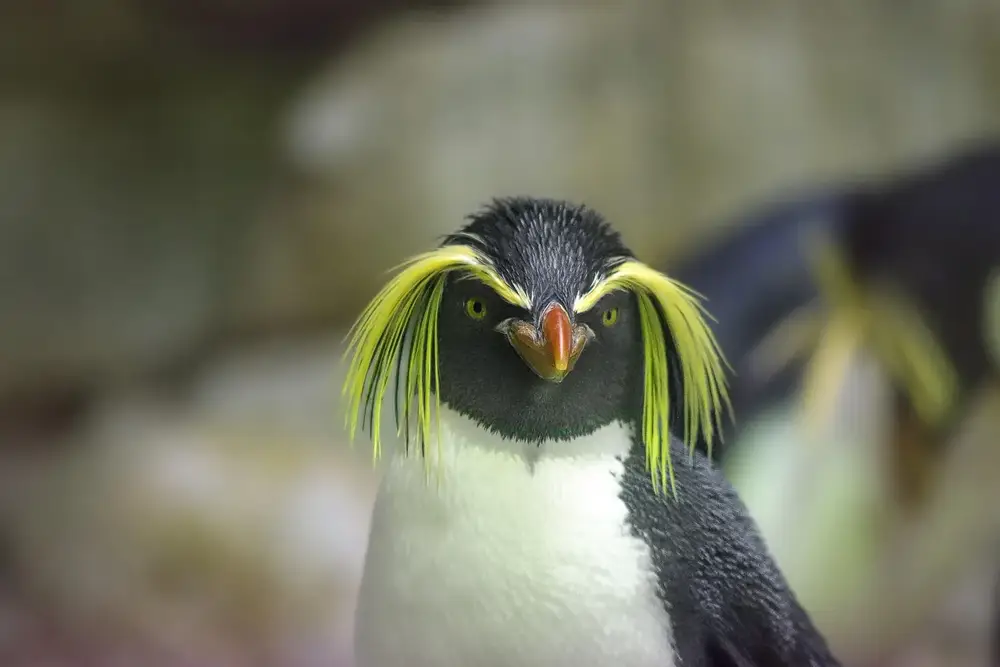
Izu Shaboten Zoo features a collection from the Larsen family. Since the time of its establishment till date, the zoo has housed the Larsen family’s carefully cultivated assemblage. This unique collection includes a wide variety of reptiles, birds, and amphibians from around the world. You will get to view up-close some fascinating creatures and appreciate the zoo’s dedication to animal welfare and conservation. Some of these unique exhibits include a tropical rainforest inhabited by a wide variety of reptiles, amphibians, and exotic birds, and the popular Penguin Cruise, where patrons are taken by boat into an Antarctic exhibit to see penguins and seals up close.
Endearing Encounters With Animals
At Izu Shaboten Zoo, visitors will have the opportunity to interact with animals in a way that is not usually available in other zoos. Some highlights include feeding parrots and lorikeets, hand-feeding lorikeet birds as they land on your head or outstretched arms and having fun with friendly capybaras and hedgehogs.
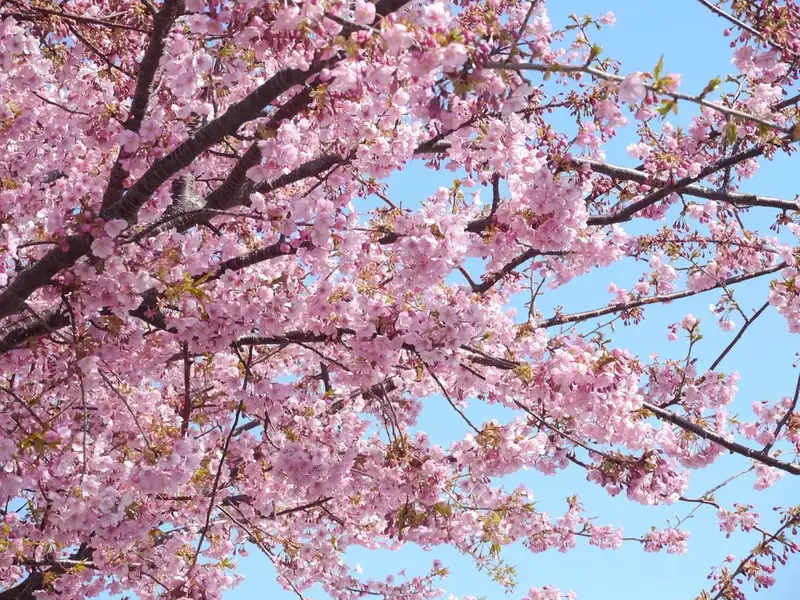
Izu Shaboten Zoo - Highlights
Enriching Events
Aside from animal encounters, Izu Shaboten Zoo also offers enriching events throughout the year. These events include educational sessions, seasonal festivals, and the “Umino Merom Bufu” undersea observation program. This program allows you to peer into the waters of Izu Peninsula and view the fascinating underwater ecosystem from the safety of an underwater observatory.
Enjoy Japanese Cuisine
No Japanese experience is complete without trying out traditional Japanese cuisine. At the Izu Shaboten Zoo food court, you can sample koi fish loaves, sweet potato, and other Japanese treats, giving you a mouth-watering adventure that complements your trip.
Support Animal Conservation
A visit to Izu Shaboten Zoo is not only an exhilarating experience, but it also supports conservation efforts. With the zoo being consistently rated highly in terms of animal welfare, patrons can be rest assured that their visit directly contributes to animal care and furthering the goals of conservation.
Wrapping Up
In conclusion, Izu Shaboten Zoo provides a unique animal-watching experience that merits a place on every traveler’s itinerary. From its lush natural environment to its diverse collections, from educational opportunities to hands-on animal encounters, the zoo successfully combines education, entertainment, and preservation in one package. So if you find yourself in Japan, don’t miss the chance to visit this remarkable zoo and witness its dedication to animal care and conservation.




Discussion