
“The Complete Guide to Kalamata: Beyond the Famous Olives”
Kalamata, a picturesque town located in the southeastern coast of the Peloponnese in Greece, is not just about its famous olives. Home to beautiful sunsets, unique history and a delicious cuisine, there’s much more to this delightful destination than meets the eye.
History and Culture of Kalamata
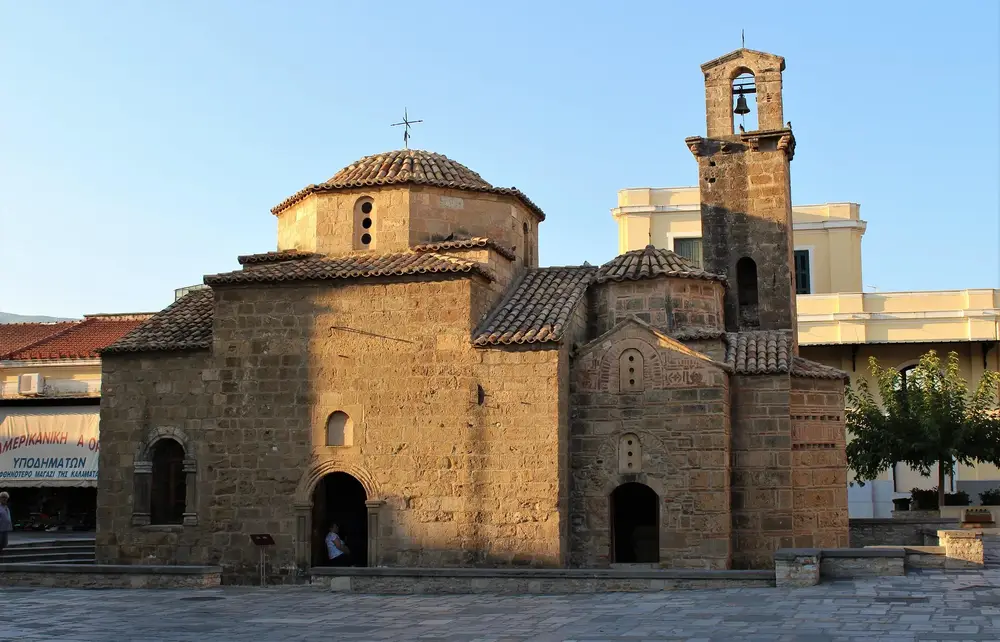
Kalamata has been inhabited since ancient times. The town is often associated with the ancient city of Phigaleia, a thriving hub of ancient culture, arts and sciences. The historical center of Kalamata has significant architectural influence from the Venetian and Frankish periods. In more recent history, Kalamata has emerged as a center of Greek resistance during the War of Independence.
Today, Kalamata is steeped in culture and tradition. Perhaps the most striking manifestation of the town’s identity is the emblematic procession of the “Holy Cross” that takes place every year on Palm Sunday. Locals and visitors flock to witness the float parade of this “Living Icon” that celebrates the eventual victory of Christianity over Pagans in the town’s history.
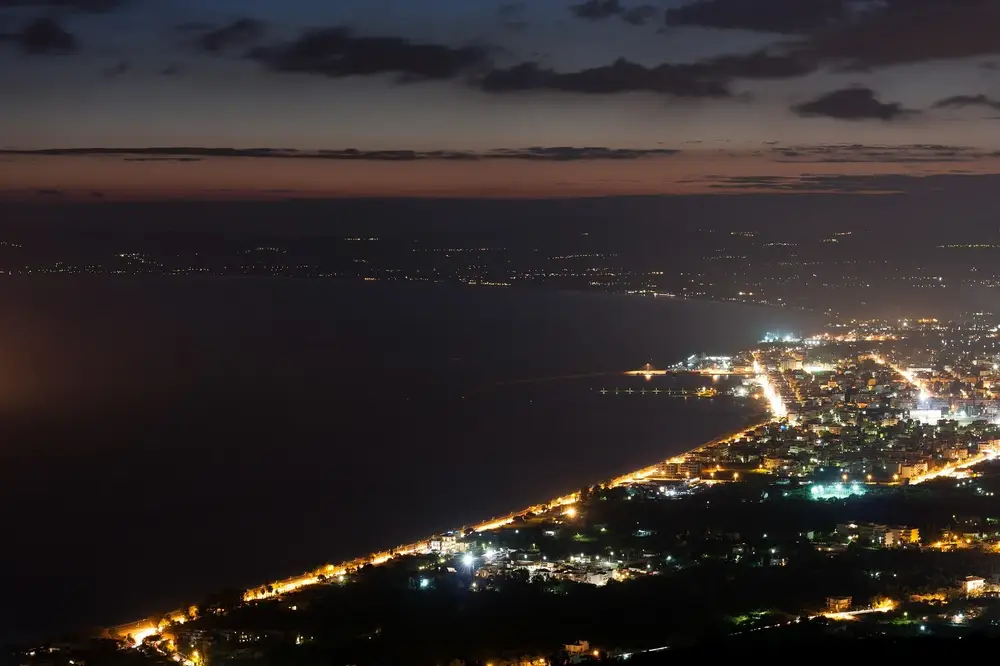
Geography and Landscape of Kalamata
Kalamata is blessed with a unique geography. Nestled between the towering Taygetos mountain range and the striking waters of the Messinian Gulf, the town is really quite extraordinary. If you’re a nature enthusiast, the area will surpass your expectations. Kalamata boasts beautiful, golden sandy beaches, lush forests and picturesque villages. This area is known for its pristine nature reserves and diverse wildlife. The Aghiel rock formations prevalent in the area are an exciting hiking option.
The Local Cuisine of Kalamata
As one would expect, the cuisine of Kalamata is a mixture of rustic flavors and modern gastronomical trends. Nowhere is this more evident than in the selection of local delicacies. Some legendary dishes include 'ger») which is a famous local pasta served in various ways, ‘soutzoukos’ a local candy made of grape must, and ‘kalamata olives’ which are not only rich in flavor but healthy too.
However, Kalamata’s culinary culture goes way beyond olives. Try the pochenka', a well-known local marmalade made of quince or orange that has a unique tang. Don't miss out on the chance to taste stafhilia’ a traditional specialty of the area, made of fried tender kefalotia, a small pasta resembling macaroni.
The Future of Kalamata
As tourism continues to grow globally, Kalamata has embraced this change to become a destination that offers the very best of nature, history, food, art, and culture. In recent decades, Kalamata has revitalized its historical center and invested in cultural offerings like theaters, galleries, and museums. Efforts to preserve Kalamata’s unique natural environment have not been neglected either, with new hiking trails and eco-friendly tourism initiatives seeing continuous development.
Frequently Asked Questions
1. Is the city famous for olives?
Yes, Kalamata olives are world-famous. You can buy oil and olives everywhere.
2. Is there a beach?
Yes, Kalamata boasts a long city beach with clear water and pebbles/sand, right in front of cafes.
3. Do I need a car?
To explore the surrounding Peloponnese region (Mani Peninsula, ancient Messene), a car is highly recommended.
4. How do I get there?
There is an international airport (KLX) with seasonal flights, or it's a 2.5-hour drive/bus from Athens.
5. Is it touristy?
It is popular with Greeks but feels less overrun than the islands. It has a relaxed, authentic vibe.
Conclusion
In conclusion, Kalamata is so much more than its famous olives. Once visitors leave the bustling global city behind, they can discover the ancient streets of a town with a rich history, marvel at the breathtaking natural landscapes, and taste some of the best Mediterranean cuisine available. From the vibrant local culture to the welcoming local population, Kalamata truly is a destination like no other.

Discussion