
Discover the Cultural & Historic Sites in Maputo City, Mozambique
Maputo City Mozambique
Maputo, the capital of Mozambique and its largest city, is a paradisiacal location that boasts a unique blend of vibrant culture and deep history. Founded in 1876 by the Portuguese colonizers, Maputo has stood the test of time and preserved its rich history and cultural heritage, despite numerous political changes and colonial influences. This city is a treasure trove of cultural and historic sites that will leave you mesmerized and in awe of the resilience of its people.
In this article, we will explore some of the most notable cultural and historic sites in Maputo City.
Independence Square & the Independence Statue
Let us start our journey in the heart of Maputo City at Independence Square. This national monument was built in 1992, about 11 years after Mozambique gained independence from Portugal. The square, surrounded by alluring buildings constructed during the Portuguese colonial era, immortalizes the struggle for freedom and independence.
The centerpiece of the square is the Independence Statue, a magnificent bronze sculpture representing the allegory of freedom from colonial rule. The statue, created by Mozambican artist Much Morris, stands as a tribute to the tenacity of the local people and their desire for a self-determined life. The square is a crucial historical location, making it a must-visit stop on any cultural and historic tour of Maputo City.
The Cathedral of Maputo
Next on our itinerary is the Cathedral of Maputo (Sé de Maputo), located along Avenida Mao Tse Tung. The cathedral was constructed in the 19th century and is a blend of neo-Romanesque and neo-gothic architectural styles. Although it may not be the most architecturally stunning cathedral in Mozambique, the significance of its location and history is unparalleled. Its walls are a testament to Portuguese colonization, Catholicism in Mozambique, and the contributions of African slaves to the construction of colonial-era structures.
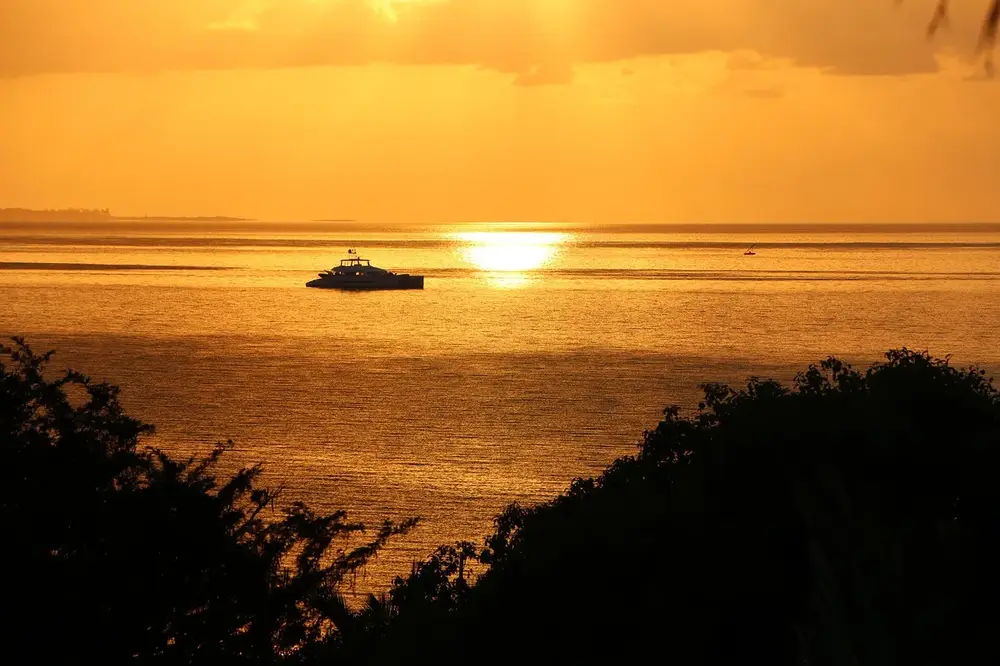
Maputo City Mozambique - Highlights
It’s worth mentioning that the cathedral is still an active place of worship, and visitors are advised to maintain proper etiquette during a visit.
Palácio de la Ponte – The President’s Office
Another historically significant site in Maputo City is the Palácio de la Ponte, the official residence of Mozambique’s president. This neoclassical building was originally built as the residence of the Portuguese governor-general in the 19th century. Its architecture offers a glimpse of the grandeur of colonial-era Mozambique. Besides its historical significance, the Palácio de la Ponte features an extraordinary collection of contemporary political art, making it a home to the rich histories of the nation and its people.
The National Museum of Mozambique
Our next stop is the National Museum of Mozambique located on Avenida Vladimir Lenine. The museum, founded in 1946, is one of the oldest museums in sub-Saharan Africa. The museum exclusively exhibits artifacts from the vast and diverse history of Mozambique. From prehistoric times to Portuguese colonization to independence, the museum covers it all. The museum is more than just a historical brick-and-mortar structure; it’s a living testament to the resilience of the human spirit.
Maputo Train Station
The Maputo Train Station, a reminder of the heyday of Portuguese colonial rule, is our next destination. This station, built in the late 19th century, underwent a facelift in the 1930s during Mozambique’s rebuilding years. The station played a vital role in connecting different parts of Mozambique, and its modern reincarnation has made it a lively transportation hub.
Visitors can enjoy admiring the old-world beauty of the station and learn about its role in Mozambique’s development.

Eduardo Mondlane University
Lastly, one of the cultural highlights of Maputo City is Eduardo Mondlane University, which boasts the oldest and most prestigious institution in Mozambique. The university, founded in 1962, has been a bastion of education and knowledge, the cradle of African intellectualism. The campus sparkles with the talents and aspirations of young people, making it a city within a city.
The university, named after the founding father of the Mozambican independence movement, was at the heart of the struggle for freedom. It has since taken a central role in shaping the modern Mozambican identity. Visitors can take guided tours of the campus and learn about the evolution of higher education in Africa.
Frequently Asked Questions
1. Is Maputo safe?
Generally yes during day. Caution at night.
2. Transport?
Taxis or Tuk-tuks (Txopelas). Negotiate price.
3. Language?
Portuguese. Some English in hotels.
4. Currency?
Metical (MZN).
5. Famous building?
The Iron House (Casa do Ferro) designed by Eiffel.
Conclusion
As we traverse through the cultural and historical sites of Maputo City, we are reminded that history is not just a record of past glories but a testament to the resilience of the human spirit. Mozambique’s capital, Maputo, has stood strong and vibrant, retaining its rich cultural heritage amid shifting political forms. For prospective travelers and history enthusiasts, exploring Maputo City offers an immersive experience into the cultural and historical tapestry of the country, making it the place to visit in Mozambique.
Discussion