
Historical & Modern: Top Osaka Sites to Visit
Osaka Sites To Visit
Osaka, Japan’s third-largest city, is a bustling hub of commerce, technology, and culture. The capital of the Nara Period (710-784) and the thriving trade center during the Kioto period (1336-1573), Osaka offers numerous historical sites along with its modern attractions.
Here are some of the must-visit spots offering a taste of both the city’s history and contemporary culture.
Shitennoji Temple
Shitennoji Temple
Established in 591AD, Shitennoji Temple is Japan’s oldest temple. Despite numerous fires and reconstructions, it remains a significant historical site. It features original Buddhist architecture and ancient temple art. A stroll through the peaceful temple grounds is like taking a journey back in time.
Osaka Castle
Osaka Castle
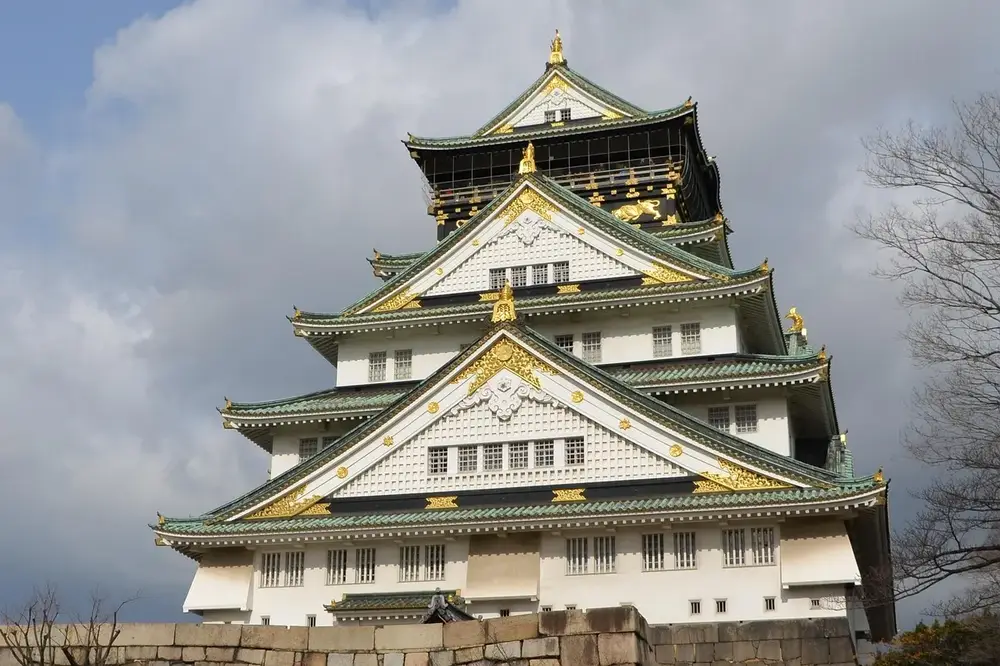
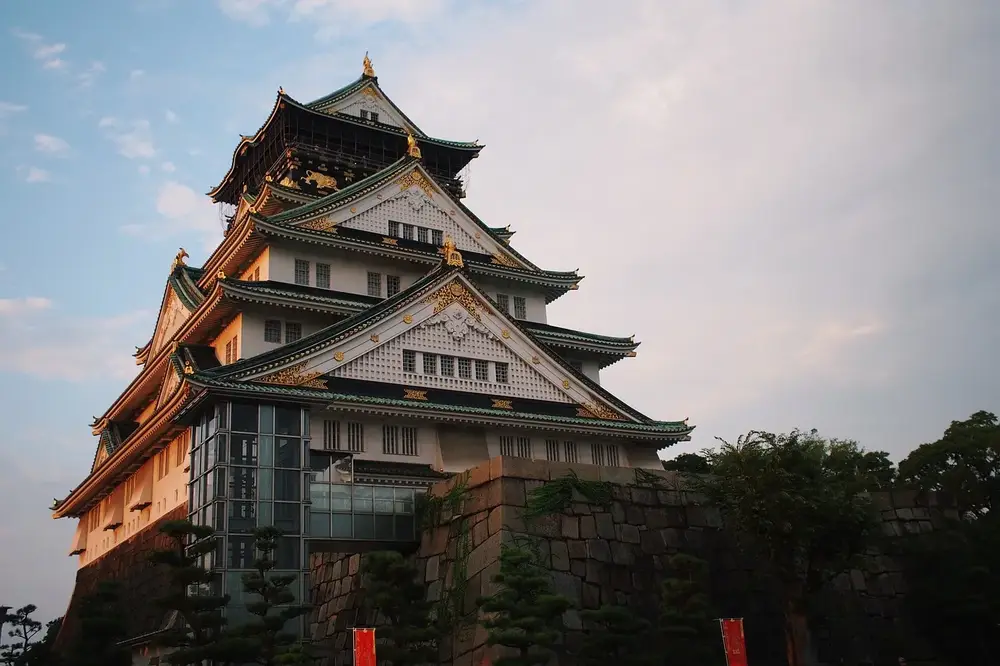
As one of Japan’s most iconic landmarks, Osaka Castle, began its existence in 1580, ordered by Toyotomi Hideyoshi, Japan’s first unifier. Even today, the castle stands tall and proud. Although it predominantly showcases the unique cultural scene of the Mizukaki-goto period, tourists can take in sweeping views of the city from the observation deck, indulge in traditional meals at the castle’s restaurant, or learn more about the city’s history at the Osaka Castle Museum.
Kuromon-Machi Mike-Machi (Black Water River and Fish Market Area)
Kuromon-Machi Mike-Machi (Black Water River and Fish Market Area)
This lively district showcases Osaka’s love for food. Kuromon-Machi and Mike-Machi, located south of Namba, are two areas that have a plethora of restaurants and food-related shops. Here, Chef’s knife education centers and food-loving visitors come together, and riverside restaurants offer sushi, tempura, and other traditional Japanese dishes.
Osaka Sites To Visit - Highlights
Dotonbori Neighborhood
Dotonbori Neighborhood
Dotonbori is Osaka’s lively, buzzing district, where one can experience the city’s nightlife, shopping, and entertainment scene. The strip is most famous for its distinctive architecture, neon signs, myriad restaurants, and street food merchants. A visit won’t be complete without seeing the iconic Glico-man sign or catching a live show at the famed Shinjuku Ten-no-hi Building.
Tsutenkaku Tower
Tsutenkaku Tower
A symbol of post-war reconstruction, Tsutenkaku Tower has been through several renovations and revivals. Upon reopening in 1966, the tower became known as the center of Osaka’s entertainment district. Visitors can take the elevator to the observatory floor and enjoy panoramic views of the city or dine at the top-floor restaurant that boasts a unique perspective of Osaka’s skyline.
Sumiyoshi Taisha
Sumiyoshi Taisha
The Sumiyoshi Taisha is an ancient Shinto shrine displayed within a grand structure, bringing Shinto beliefs and rites into the modern world. The architecture, intricate ornamentation, and lush surrounding nature create a peaceful, tranquil atmosphere. Sumiyoshi Taisha’s connection with the river also calls back to a time when rivers were essential aspects of commerce and daily life in the region.
National Museum of Art, Osaka
National Museum of Art, Osaka
As an art lover’s paradise, the National Museum of Art, Osaka showcases art from various periods representing different regions of Japan. Visitors can appreciate pieces as old as the Nara period or modern installations reflecting contemporary Japanese culture. The museum also hosts special exhibits, changing periodically to maintain a fresh, thought-provoking experience for its attendees.
Frequently Asked Questions
1. What is Osaka famous for?
It is known as 'Japan's Kitchen.' The food culture (Takoyaki, Okonomiyaki) is legendary, especially in the Dotonbori area.
2. Is the Osaka Amazing Pass worth it?
Yes, if you plan to visit multiple attractions (like Osaka Castle, Umeda Sky Building) and use the subway, it offers great value.
3. Is Universal Studios Japan (USJ) in Osaka?
Yes, it is a short train ride from the city center. Home to Super Nintendo World and Harry Potter.
4. Is Osaka better than Tokyo?
They are different. Osaka is known for being friendlier, grittier, and more food-focused, while Tokyo is polished and massive.
5. How do I get from Osaka to Kyoto?
It is very close! A train ride takes only 15-30 minutes depending on the line (JR or private lines).
Conclusion
While Osaka has countless historical and modern sites to visit, these give a glimpse of the city’s vibrant history and its continuing evolution as a cultural, commercial, and technological hub. Exploring these areas not only educates travelers about the city’s past but helps them to appreciate its present and future.
By experiencing Osaka’s dynamic history and contemporary culture, visitors immerse themselves in the heart of Japan and indulge in authentic flavors, distinct architecture, and a lively atmosphere that sets the city aside from others. Whether stopping for street food in Dotonbori or meditating at a historical temple, Osaka offers a rich travel experience packed with unforgettable memories and warm hospitality.
Discussion