
Magical Places to Go in Kyoto: Temples & Shrines
Places To Go In Kyoto
Kyoto has a long, fascinating history as Japan’s ancient capital. It’s known for its charming gardens, stunning architecture and its 1,000 temples and shrines, which hold a wealth of cultural and spiritual significance. Although it’s impossible to see all of them in one trip, there are some that stand out for their beauty, history, or myth. Here are some magical places that you should definitely check out in Kyoto.
Kinkaku-ji Temple (Golden Pavilion)
Kinkaku-ji Temple or the Temple of the Golden Pavilion is possibly the most iconic temple in Kyoto. This temple was originally built in the 14th century as a retirement villa for a shogun, and it got converted into a Buddhist temple after his death. The temple’s structure is predominantly wooden and covered in thin layers of gold leaf that sparkle like gold in the sunlight, hence the name Golden Pavilion.
The grounds of the temple are serene and picturesque with lots of weeping cherry trees, Japanese maples, and other flowers. The temple looks its best during the cherry blossom season in April and is most gorgeous in autumn.
Fushimi Inari Taisha Shrine (Shrine of the God of Rice)
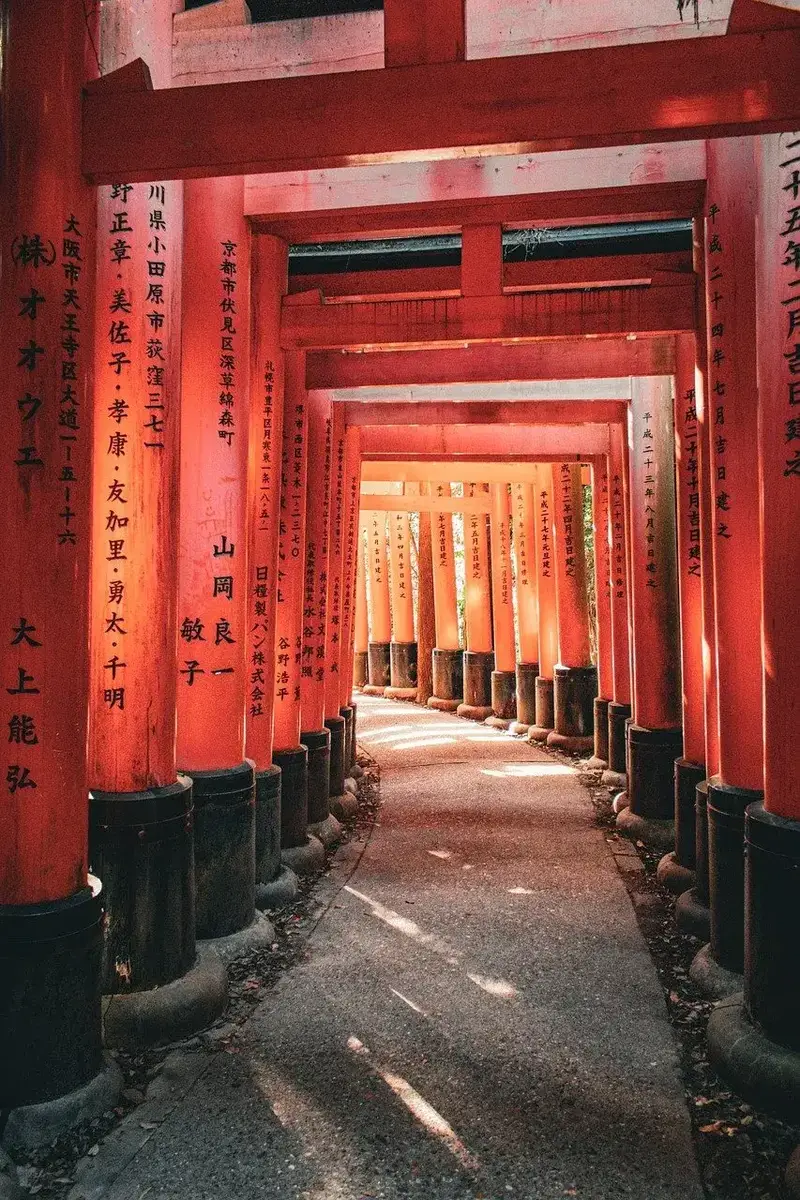
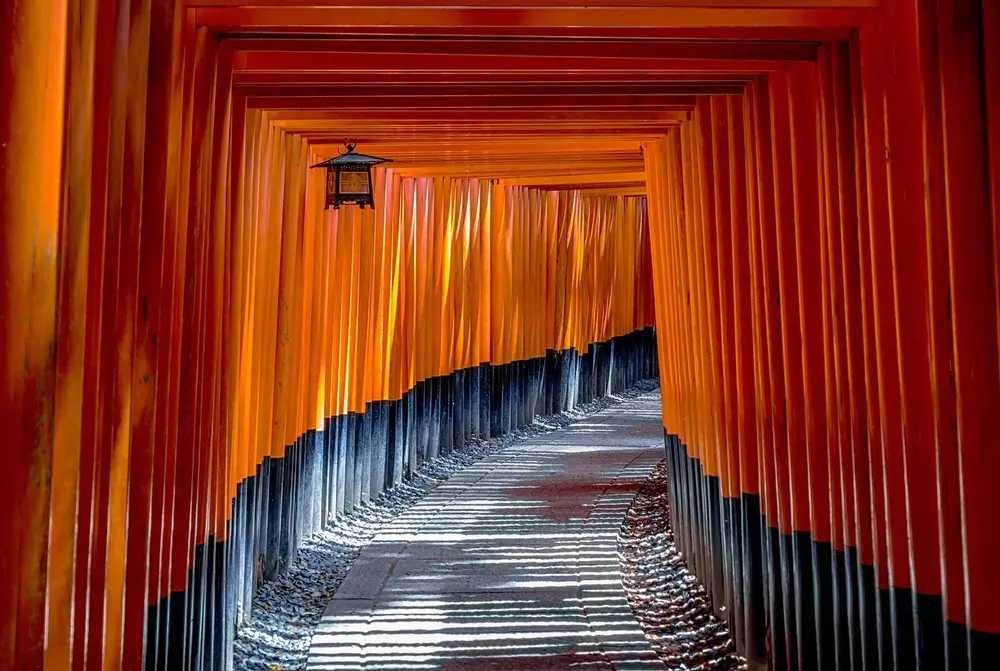
Fushimi Inari Taisha Shrine is one of the most sacred and important shrines in Japan, dedicated to the god of rice, agriculture, and fertility. The shrine has a grand torii gate, which is a large red gate, bigger than any other in Japan and considered one of the largest in the world. It’s surrounded by a thicket of over 3000 torii gates that line the hill up to the summit and are seen as indicators of the power and prosperity of the shrines.
This shrine is one of the most visited sites in all of Kyoto with stunning views of Kyoto city at the summit. It’s fun to stroll around and see all the vermilion torii’s that stretch as far as the eye can see.
Ginkaku-ji Temple (Temple of the Silver Pavilion)
Ginkaku-ji Temple, literally the Temple of the Silver Pavilion, was built and originally owned by shogun Tokugawa Mitsunari, who was known for his extravagant taste. Although it never became a Buddhist temple in ceremony, it was referred to as the “Silver Pavilion.” It lacks the gold leaf of its other counterpart, the Kinkaku-ji Temple, but its unique and pristine design and its serene garden make up for it in spades.
Places To Go In Kyoto - Highlights
The temple has an elegant simplicity about it that draws people in. It’s stunning, and even better in autumn when the leaves turn red and gold. There are several other buildings and gardens around the pavilion for you to explore.
The Heian Shrine (Heian Jingu)
The Heian Shrine is one of the oldest and most important Shinto shrines in Japan dating back to the eigth century. It honors the spirits of the first and last emperors of Japan, as well as the two preceding generations of emperors. As the physical center of Japan, the Heian Shrine is significant in Japanese history, and it’s a must-visit in Kyoto.
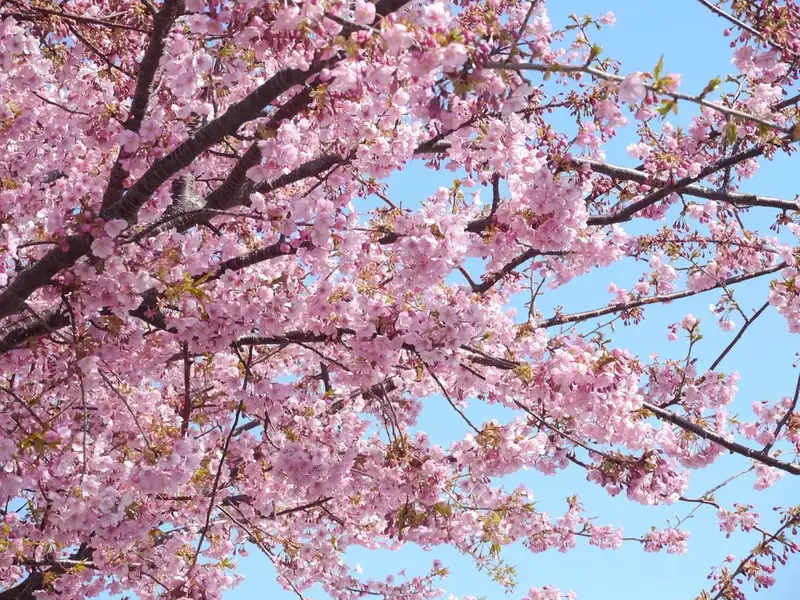
The main hall of the shrine is surrounded by beautiful gardens, ponds, and it’s a great place to see tortoises, the symbol of long life, wandering in peace. The Heian Shrine is lovely in any season, with cherry blossom in spring or the festival at the end of the year; it’s magical.
Kiyomizu-dera Temple (Temple of Clear Water)
Kiyomizu-dera Temple is a magnificent temple that has been built and rebuilt on the setting of an old temple on the premises since 798. The temple has a large wooden building supported by tall columns that seems to float over the hillside and offers stunning views of the town of Kyoto.
Kiyomizu-dera has a long history, and it’s the most visited temple in Kyoto. It’s even more beautiful during the cherry blossom season when the whole temple complex is filled with the soft pink hue. It’s a must-see destination in Kyoto.
Kiyomeguri Shrine (Wild Horse Mountain)
Kiyomeguri Shrine is off the beaten path, located in the northern part of Kyoto, and not as crowded as other places in this list. Here, you can find the god Susanoo, the god of the seas and hunting, riding on the back of a fantastic, whip-carrying slug. The myth says that the god originally came down to this place disguised as a white deer to celebrate his marriage.
This temple is a little hidden gem that’s absolutely beautiful, and it gives you a sense of undiluted tranquility and spirituality. The hike is a manageable 20 minutes steep climb, but well worth it for the stunning views of Kyoto city.
In conclusion, Kyoto is full of magical and mesmerizing temples and shrines, each with their individual histories and significance. These spots showcase the serene beauty and tranquility that’s central to Japanese culture. If you’re looking for spiritual or tranquil experiences, you can’t go wrong with these options. Each is unique and has its charm, offering a glimpse into the fascinating history and culture of Japan.


Discussion