
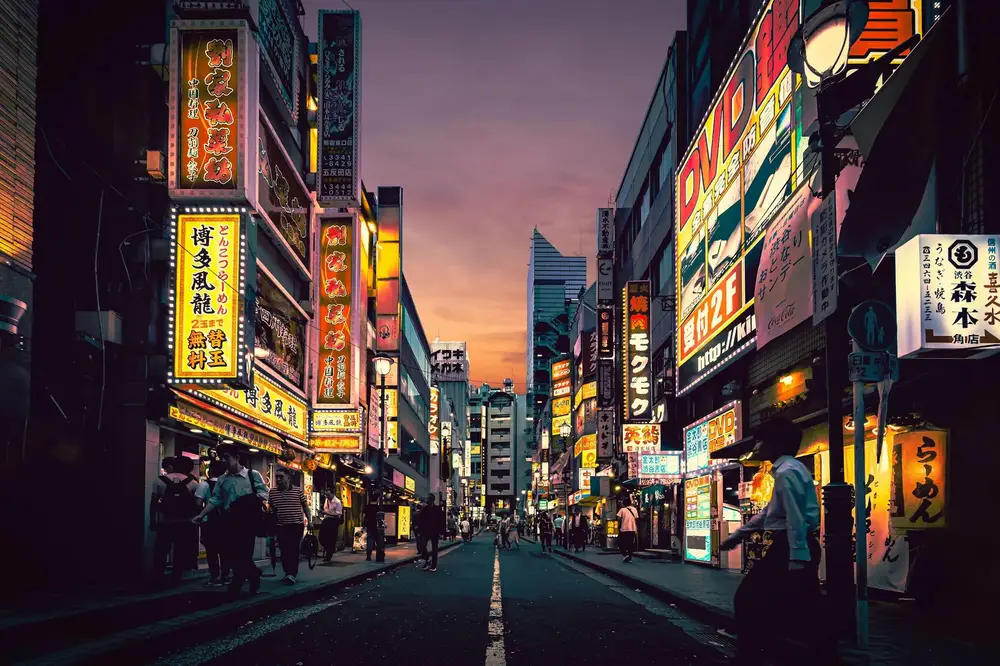
A Guide to Senso-ji Temple: Discovering Asakusa's Timeless Charm
Venture into the heart of Tokyo's Asakusa district, and you'll encounter a timeless beauty - the Senso-ji temple. This ancient temple, known in Japanese as Asakusa Koyo, is one of Tokyo's oldest and most celebrated landmarks, dating back to the Edo period. With its rich history and vibrant cultural heritage, it's no wonder that Senso-ji Temple remains a top destination for both tourists and locals alike.
In this guide, we'll delve into the temple hours, nearby attractions, etiquette, and customs related to this profound and sacred site. From the awe-inspiring Kaminarimon Gate to the mouth-watering snacks found on the Nakamise shopping street, and from the mystical Omikuji fortunes to the stunning night illumination - discover why Senso-ji remains a perennial favorite for visitors to Tokyo.
Senso-ji Temple Hours & Key Attractions
Senso-ji Temple is typically open every day from 6:00 AM to 5:00 PM. Since it's an active place of worship, visitors are encouraged to dress modestly and practice mindfulness throughout their visit. Default temple attire is to keep shoulders and knees covered. Additionally, visitors should remove their shoes upon entering the temple grounds.
One of the most recognizable features of Senso-ji Temple is the Kaminarimon Gate, known more widely as the "Thunder Gate." This colorful, lantern-adorned gate is a dazzling showcase of traditional Japanese craftsmanship and design, dating back some 400 years. The vibrant red and gold colors symbolize the power of lightning and thunder, essential to the Shinto belief in nature-based deities.
Adjacent to Kaminarimon Gate, you'll find the famous Nakamise Shopping Street. This pedestrian-only street has been in existence for over four centuries and features numerous small shops selling a range of souvenirs, from traditional Japanese dolls to jade jewelry and snacks galore. Among the must-try treats are 'yatsuhashi' - chewy rice cakes, 'kiri mochi' - a soft and crumbly rice cake, and 'keichimochi' - sweet tofu cakes.
An Essential Guide to Senso-ji Temple Etiquette
In any religious location, it's essential to respect and adhere to local customs and etiquette. Here are a few simple tips to remember as you explore Senso-ji Temple:
- Enter the temple premises through the Haiden gate.
- Be mindful of your attire. Japan is a culturally conservative country, so cover your shoulders and legs to maintain a level of modesty.
- Remove your shoes when entering temple buildings.
- Don't run, shout, or be too boisterous inside the temple, as this is considered loudly and in poor taste.
- Bow and show respect when visiting the temple's main altar and when leaving.
Discovering Senso-ji Temple's Mystical Fortune (Omikuji) & Night Illumination
The Omikuji are random fortunes written by visitors to the Senso-ji Temple. They're collected and bundled together in a box provided on-site. If you want to participate in this delightful tradition, drop a small ¥100 donation and pick up a few random fortunes. It's a pleasing and mystical way to seek guidance and positivity.
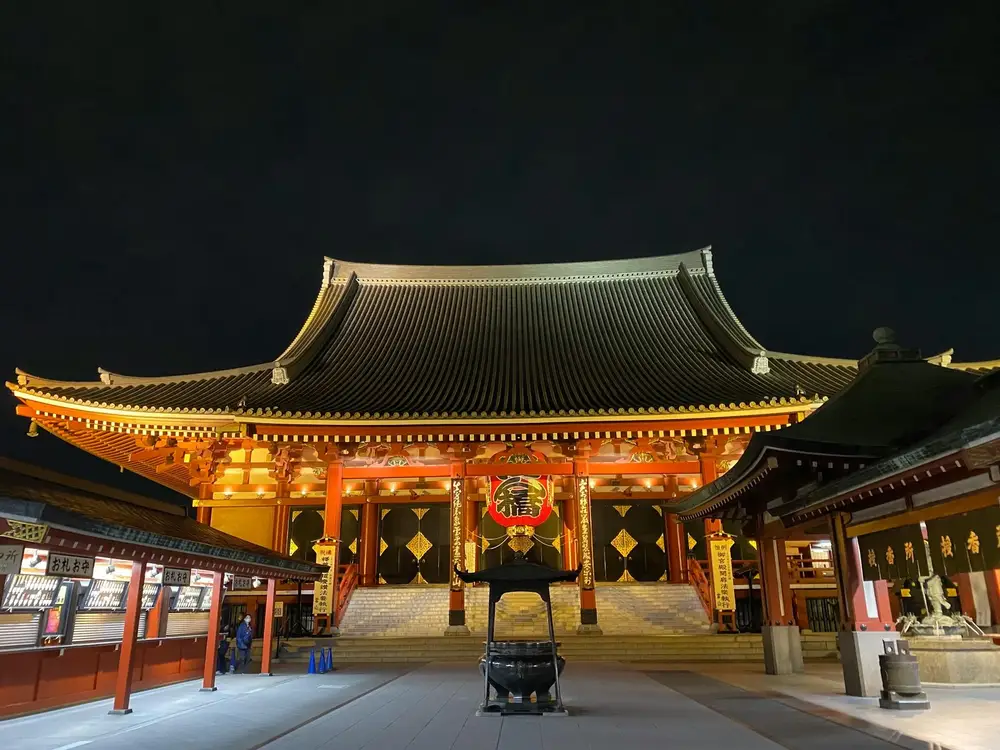
Besides the fortune-telling experience, you'll see the Senso-ji temple illuminate at night, a wondrous and enchanting display that showcases its architectural grandeur. The temple grounds are lit up with lanterns, illuminating the corridor leading to the temple, creating an atmosphere that is nothing short of magical.
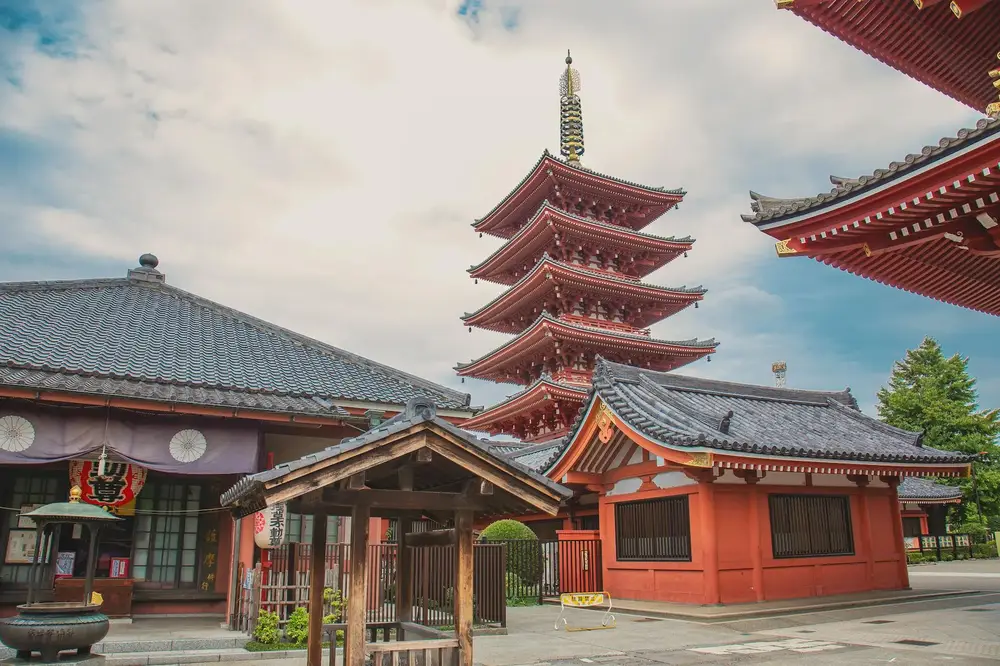
Connecting Tokyo Skytree to Senso-ji Temple: Exploring Further
For a well-rounded day trip, don't miss the chance to visit Tokyo Skytree, the tallest tower in the world. It's approximately a 25-minute train journey from Senso-ji Temple. As you're here, experience the city's intriguing blend of intuitive spirituality with modern innovation. The rest of Tokyo's Asakusa district is your oyster, filled with cultural experiences and discoveries at every turn.
Buddhist Rituals, Kannon Goddess & Cultural Heritage
The Senso-ji temple is dedicated to the Goddess Kannon, a bodhisattva of compassion who represents classic Buddhist principles of kindness and empathy. Traditional Buddhist rituals and annual celebrations take place regularly at the temple that revitalize the essence of Shinto and Buddhist belief systems.
Senso-ji Temple is a tangible representation of Tokyo's historical and cultural heritage. Steeped in the journey of time from the Edo period, it's a constantly evolving and thriving breathing testament to the city's cultural heritage.
Frequently Asked Questions
1. Is Senso-ji free?
Yes, entrance to the temple grounds is free.
2. What is the smoke for?
The incense smoke is believed to have healing powers. People wave it over their heads/bodies.
3. What is Omikuji?
A fortune-telling strip of paper you can buy for 100 Yen. If it's bad luck, tie it to the rack to leave it behind!
4. What is Nakamise Street?
The shopping street leading to the temple, full of snacks and souvenirs.
5. When is it open?
The grounds are always open. The main hall is open 6 AM to 5 PM.
Conclusion
As you leave Senso-ji Temple, you'll likely leave with an appreciation for the Intangible Cultural Heritage of Japan. This ancient site embodies a unique blend of artistry, spirituality, and history, making for a truly remarkable Tokyo day trip. Whether you're a first-time visitor or a seasoned traveler to Tokyo, the Senso-ji Temple experience will leave you enchanted and enriched. With its modern attractions and ancient traditions, Tokyo's Asakusa district has an undeniable allure that continues to captivate visitors from around the globe.

Discussion