
The Ultimate Guide to Serbian Food: From Cevapi to Rakija
Introduction
Serbia, a country located in the Balkan Peninsula of Southeast Europe, offers a rich and diverse culinary heritage influenced by Turkish, Hungarian, Austro-Hungarian, and Italian cuisine. Serbian food, much like its culture, is a perfect amalgamation of different nations, histories, and gastronomic delights.
From savory skewered meat to hearty stews, crisp salads, and lusciously sweet desserts, Serbian cuisine is a flavor explosion that leaves you yearning for more. In this ultimate guide, we’ll take a journey through Serbia’s gastronomic wonders, explore traditional dishes, and even introduce you to some of the country’s signature alcoholic beverages.
Skewered Meat (Cevapi)
Cevapi, one of Serbia’s most famous and beloved dishes, is a type of kebab made from lightly charred pieces of meat. Usually made from beef, these tasty morsels are traditionally served with flatbread (čvarci) and garnished with raw onions, ajvar, or kaymak (a type of creamy dairy product).
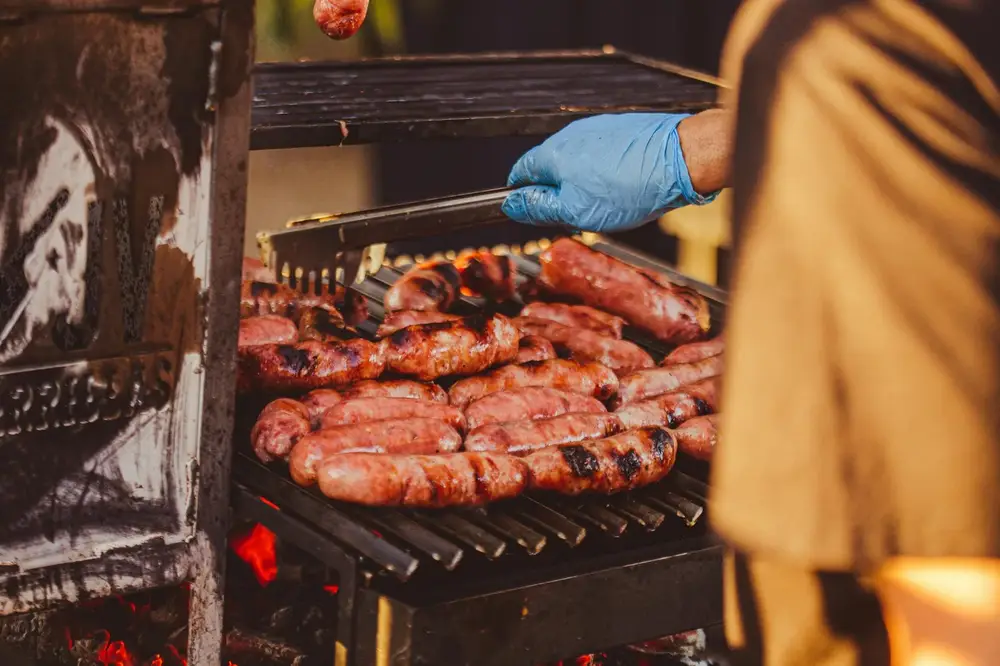
Sausages (Kolbas)
No feast would be complete without a hearty sausage! Served either cold or hot, Serbian sausages (kolbas) are made from different types of meat and come in various shapes and sizes. Kopanec, a skinless sausage, and rakija flavored sausages, are two well-known examples.
Hearty Stews
Serbia’s stews are robust dishes that offer a combination of flavors that both excite and comfort you. These tasty concoctions are usually slow-cooked to perfection, making them the perfect meal on chilly days.
Ražnjica Bread (Ražnjica)
Ražnjica, a baked bread stuffed with diced meat, onions, and the beloved regional cheese kajmak, is one of Serbia’s popular culinary jewels. Degustino, a type of ražnjica made with smoked meat, is yet another delicious variation.
Pastrmka
Pastrmka is a type of smoked meat roll filled with a mix of different ingredients, such as spicy salami, Banjani cheese, and paprika. Pastrmka is typically served either cold or hot and is perfect for sharing with family and friends.
Čorba
If you’re visiting Serbia in winter, don’t miss out on Čorba, a broth made from smoked meats, vegetables, and various types of gehŝte. Š葉ko čorba, another Serbian classic recipe, features homemade pasta in a hearty bean and beef broth, making it an excellent option for those cold winter nights.
Salads
While Serbia may be known for its meat-lovers’ dishes, the country also has an array of refreshing salads that will make your taste buds dance.
Šparkedljeni Salad
Šparkedljeni salad, a cucumber and yogurt-based dish, is a beloved Serbian appetizer. The combination of chilled cucumber and crumbly white Feta cheese with a tangy yogurt sauce makes it a perfect appetizer that you’ll want to devour all year long.
Zeljanica
Zeljanica is another refreshing Serbian salad created with parsley, potatoes, and olive oil, giving it a rich and vibrant flavor. Perfect for those looking to break away from common leafy salads, this dish is an aromatic treat.
Desserts
Serbia’s desserts are a sweeter indulgence that make room for players like baklava, Vanillekipferl, and more.
Rakija Flavored Desserts
Serbia has its unique collection of Rakija-flavored desserts, including prelaz, a type of baklava filled with pumpkin and plum Rakija. These delicious treats boast a subtle yet unmistakable flavor of Serbia’s famous fiery liquer.
Ginsling
Ginsling is a traditional Serbian dessert made from poppy seed dough and served as a cold drink. This unconventional dessert is much more than a zapikko, as it pairs exquisitely with a cup of strong coffee.
Beverages
Serbian beverages range from Rakija, our famous fruit brandy, to a well-made coffee and homemade lemonade.
Rakija
Serbia’s best-known drink, Rakija, is a strong, clear distilled spirit made from fermented fruit and traditionally served neat or mixed with juice. It’s often the drink of choice for traditional Slavic celebrations. It would be remiss not to mention that Rakija comes in various flavors such as plum, apricot, and quince, so you can find one that matches your palate.
Kafa
Kafa, Serbia’s unique version of Turkish coffee, is renowned for its distinct roasting process. With an intense, thick, and strong texture, Kafa is one serving that isn’t easy to forget.
Frequently Asked Questions
1. What is Cevapi?
Grilled minced meat sausages (beef/pork/lamb mix), usually served with flatbread and onions. The national dish.
2. Is Serbian food vegetarian friendly?
Historically, no. It is very meat-heavy. But modern Belgrade has veggie options. Salads (Shopska) are great.
3. What is Rakija?
A strong fruit brandy (usually plum). It is the national drink and a sign of hospitality.
4. Is tap water drinkable?
Yes, tap water in Serbia is generally safe.
5. Do people smoke inside?
Yes, Serbia is one of the few European countries where smoking is still allowed in many bars and restaurants.
Conclusion
With a vast array of flavors, Serbian food leaves a lasting impression on anyone lucky enough to try it. By immersing yourself in Serbian cuisine, you can get a deeper understanding of the country’s culture, and perhaps even make your own connections along the way.
From Cevapi to Rakija, feasts are brighter and more delicious with Serbian food’s flavors at the table - so sit down, grab your fork, and let the flavors of Serbia take you on a memorable culinary journey.



Discussion