
A Gastronomic Pilgrimage: Everything You Need to Know About Spain and Food
Spain is a culinary paradise, with its rich history and diverse influences creating a gastronomy that is bold, hearty, and deeply satisfying. Here, we’ll explore the essentials of Spanish cuisine, from the ingredients to the traditional dishes and restaurants.
Introduction
Spain has long been celebrated for its vibrant culture, beautiful landscapes, and world-renowned architecture. But, few people realize that this country boasts a culinary heritage that’s truly unparalleled. With roots in ancient Roman and Moorish cooking, and stewarded by the Spanish people over centuries, Spanish cuisine is a treasure trove of distinctive flavors and unforgettable experiences.
In this guide, we’ll dive into the nuggets of wisdom that will help you understand the evolving landscape of Spain and food. From important ingredients to the variety of traditional dishes, you’ll get an inside look at what has made Spanish gastronomy so uniquely compelling.
Essential Ingredients
At the heart of Spanish cuisine are certain ingredients that are used to bring dishes to life. Some are deeply emblematic, others are simply key players in countless recipes.
Jamón Ibérico
First and foremost is Jamón Ibérico, a cured ham made from black Iberian pigs fed on acorns. This is a delicacy that requires patience; hams are aged for between 2 to 5 years, resulting in a rich, smoky, and nutty flavor. Available in two types, bone-in and deboned, it’s typically served thin-sliced as a tapa.
Pimientos de Lanjarón
Another key ingredient is Pimientos de Lanjarón, a type of roasted red pepper that originated in the province of Almeria. These peppers are stuffed with a mix of nuts, fish, or even cheese and have a sweet and smoky taste.
Saffron
As well as meats, the Spanish culinary heritage is also rich in spices. One such spice which is central to many dishes is saffron, an unfortunately pricey ingredient that gives rice its characteristic yellow color and plays a key role in paellas.
Pimentón
Native to Extremadura, Pimentón is paprika and the key ingredient in Spanish cooking. This wonderful spice lends a smoky, slightly sweet heat to food, making it a staple in dishes like the famous Spanish gazpacho.
Traditional Dishes
While Spanish cuisine encompasses a vast range of foods, some dishes stand out as the most beloved and iconic. Here, we’ll look at some of the most essential foods you need to try during your gastronomic journey through Spain.
Paella
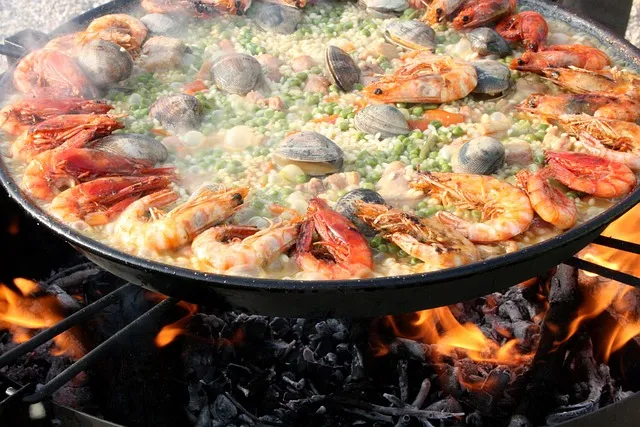
One cannot talk about Spanish cuisine without mentioning paella. This rice dish, traditionally prepared outdoors over an open fire, originated in Valencia. Over the years, it has been adapted and perfected and sees flavors ranging from seafood to garden vegetables and everything in between. The real trick is understanding the balance of rice, protein, and various aromatics.
Tapas
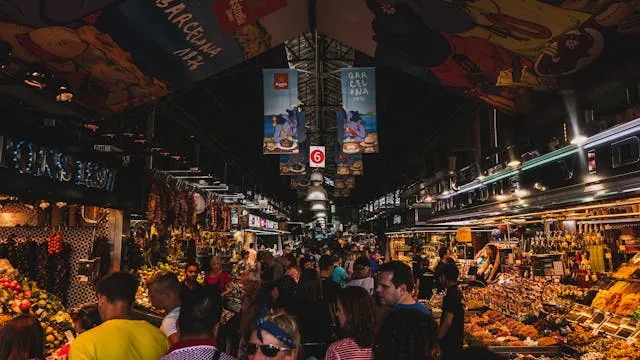
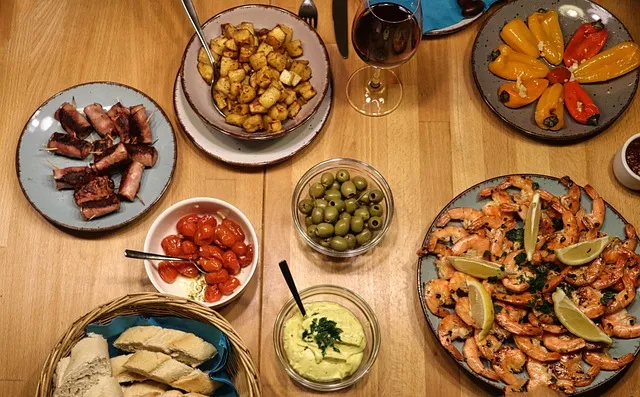
One word: tapas. These are essentially Spain’s answer to appetizers or hors d’oeuvres, typically enjoyed in bars and restaurants across the country. They range from small bites such as olives and cheeses to heartier dishes like patatas bravas, tortilla española, or the aforementioned Jamón Ibérico.
Churros
Churros are another Spanish culinary masterpiece, although they originated in the Jewish communities of the southern Iberian peninsula. Typically accompanied by a cup of hot chocolate for dipping, churros are deep-fried dough sticks which are crisp on the outside, yet soft and tender on the inside.
Fabada Asturiana
Talking about Spanish dishes can’t be completed without mentioning the hearty and traditional Asturian soup called Fabada Asturiana. This is a rich blend of white beans, sausages, pork, and potatoes, affectionately known as “the stew of the emperors”.
Pisto
For vegetarians, there’s a delicious dish called Pisto, a kind of vegetable stew that originated as a way for Spanish farmers to use up excess vegetables. It looks like ratatouille, but Spanish’s answer is said to be even better.
The Evolution of Spanish gastronomy
Spanish gastronomy has evolved over centuries under Roman, Arab and more recently, global influences. This blend of cultures and cooking styles is one of the secrets to Spain being a culinary powerhouse.
Roman Influences
Rich, heavy dishes still exist in the Spanish culinary repertoire, evidence of Roman Empire legacies. Take, for example, the hearty Lentil Stew, a dish dating back to Roman times when it was fed to Roman legions.
Arab Influences
Aside from the influence of Roman cuisine, Moorish cooking had an extensive effect on Spanish food. This goes for the types of dishes prepared, as well as the flavors used. Spanish dishes such as Albóndigas (meatballs) and Sorbetes (sauce-based frozen desserts) are a testament to the culinary knowledge of the Moors.
Global Influences
Spain’s geographic location is another crucial element in its culinary story. Seafood dishes in Spain are among the best in the world, with influence from the seas surrounding Spain contributing to dishes such as Galician octopus, anchovies from Lérez, prawn cocktails from the Costa Del Sol, and eels from the fertile Ebro delta.
The Spanish food scene is continuously redefining its flavors with modern takes on old recipes and new dishes. Tourists from all over the world are now starting to realize the gastronomic delights of traveling to Spain, further proving this country’s status as a paradise of unforgettable taste.
Conclusion
Spain and food share a passionate love affair that spans centuries. Each dish from this country will take you on a journey through time, history, and culture, providing a truly unique culinary experience. So, take the time to explore Spain’s gastronomy; it’s an essential part of understanding the country itself. And remember, no matter how hearty the food, there’s always room for some delicious churros and hot chocolate!
Frequently Asked Questions
1. What is the most popular food in Spain?
Paella is Spain's most iconic dish, originating from Valencia. Other popular foods include tapas, jamon iberico (cured ham), gazpacho, tortilla espanola, and churros con chocolate.
2. What time do Spanish people eat dinner?
Spaniards typically eat dinner between 9:00 PM and 11:00 PM, much later than most other countries. Lunch, the main meal, is usually between 2:00 PM and 3:30 PM.
3. What are tapas in Spain?
Tapas are small dishes or appetizers served alongside drinks in bars and restaurants. They range from simple olives and cheese to elaborate dishes like patatas bravas, croquetas, and gambas al ajillo.
4. Which Spanish city has the best food?
San Sebastian (Donostia) in the Basque Country is widely considered Spain's culinary capital, with the highest concentration of Michelin-starred restaurants per capita in the world.
5. Is food expensive in Spain?
Spain offers excellent value for food compared to other Western European countries. A typical meal at a local restaurant costs 10-15 euros, and the menu del dia (daily set menu) is a great budget option.

Discussion