
When talking about Verona, Italy, most people’s thoughts immediately drift towards love and romance. After all, the city is famous for its romantic culture and connection with Shakespeare’s “Romeo and Juliet.” However, there is more to this city than just tales of romance.
Verona is an ancient city with a wealth of art and culture. From its superb architecture to its stunning historical structures, visitors have plenty to explore beyond the theme of love. Here are the top things to do in Verona, Italy:
1. Visit the Verona Arena
The Verona Arena is an ancient Roman amphitheater located in the heart of Verona, Italy. It is one of the best-preserved structures from the Roman era. This arena was used for gladiator contests and public spectacles and now hosts concerts and operas.
The arena’s construction began in the 1st century AD and was completed in the early 2nd century. It is still in reasonable condition and is a fascinating historical landmark. Known as an architectural marvel, the amphitheater has a capacity of around 30,000 visitors, and it is a must-see when in Verona.
2. View the Adige River
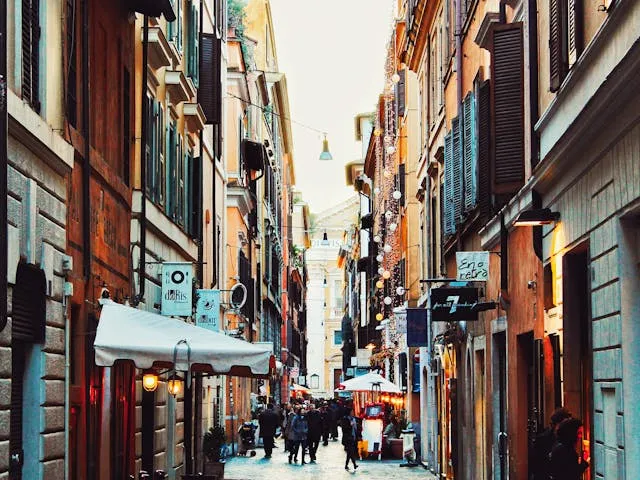
The Adige River flows through Verona and Piazza delle Erbe is a perfect spot to enjoy the view. The river separates Verona into two parts and has played a crucial role in the city’s history, serving as a trading route, drinking water supply, and zone of leisure.
Taking a walk along the riverbank is an excellent way to enjoy the view and unwind. It’s refreshing to watch the sun rise over the Adige River with the mist creeping among the crooked medieval houses, and the old bridges casting long shadows on the water.
3. Explore Piazza dei Signori
Piazza dei Signori is the central square in Verona and a testament to the city’s glorious and long history. Located in the heart of Verona, this was the site of the Palazzo del Comune, Verona’s medieval town hall.
The piazza is surrounded by buildings of great historical significance. The flying arches of the portico on the north side were late Gothic, in contrast to the classical Renaissance structures on the other side. The female figure with an arrow with the head turned back may seem out of place, but she represents the goddess Diana, a nod to the ancient Roman past of Verona.
4. Experience the Scala Ballet
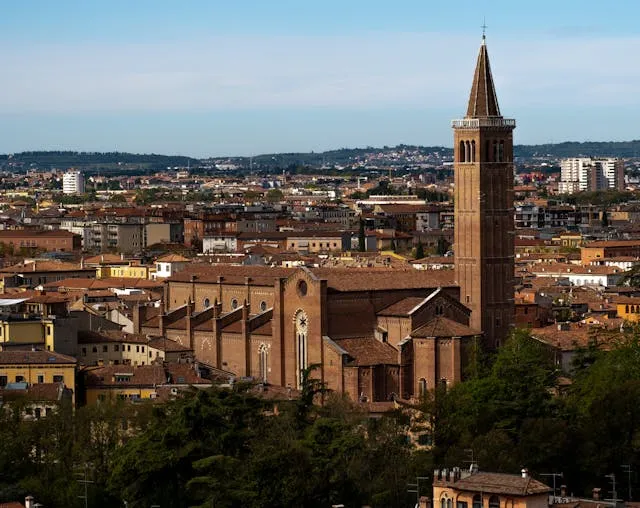
Opera lovers must attend a performance by LaScala Opera Company. Located near Piazza dei Signori, La Scala hosts weekly Opera performances. Every year, there are many opera performances, including a cream of the crop, the Verona in Festival.
Summer attracts an array of admirers, from dedicated opera aficionados to tourists in search of an immersive cultural experience in Verona. The performances are in the grand courtyard of Verona’s historic archbishops’ palace and create a unique ambiance.
5. Admire the Works of Giuseppe Arcimboldo
Giuseppe Arcimboldo, born in 1527, was a prominent artist in the late Renaissance period, known for his unique approach to portraiture. Many of his works are housed in museums in Verona.
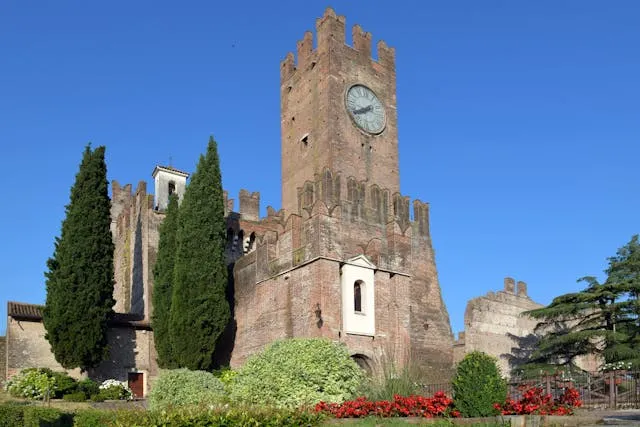
Arcimboldo’s artwork is a must-see, especially his frescos in the Correr Museum in Venice and the collection at the National Gallery in London.
6. Indulge in Local Food
Veronese cuisine is a mix of ancient Roman gastronomy and Venetian culinary tradition, creating a delightful palette of meals. From rich risottos infused with regional traditions, rich dolmets and creamy fish dishes, one’s taste buds will be dancing to Verona’s culinary tunes.
There are many restaurants and cafes all around town, ranging from fine dining establishments to the more simple and rustic. Menu dishes range from appetizing to exquisite, and your taste buds will thank you for exploring this side of Verona.
7. Visit the Jewish Ghetto
The Ghetto Ebraico di Verona was a small and hidden Jewish community of Verona in the heart of the city. Founded in the early 13th century following the arrival of Jews that were moved from Arles and Verona, this community is an essential piece of Verona’s heritage.
Visiting the ghetto calls for a unique experience. With its narrow, winding streets and fascinating historical and architectural beauties, the Ghetto Ebraico di Verona is a testament to the value of respecting one’s cultural and historical roots.
There is more to Verona than romance. Its rich history, vibrant culture, world-renowned art, delicious cuisine, and fascinating landmarks all showcase the multifaceted nature of this enchanting Italian city.
When visiting Verona, avoid sticking only to the clichés and venture beyond the realms of Shakespeare’s story. There is so much more to Verona than just “Romeo and Juliet.” Delve into her history, explore her art, savor her cuisine, and engage in her life. This captivating city will reward the curious traveler with a truly extraordinary experience.
Frequently Asked Questions
1. Is Verona worth visiting?
Yes! Verona is a romantic city with a beautifully preserved Roman arena, Juliet's balcony, charming piazzas, excellent food, and proximity to Lake Garda. It's perfect for a 1-2 day visit.
2. What is Verona most famous for?
Verona is most famous for being the setting of Shakespeare's Romeo and Juliet. Visitors flock to Juliet's House and balcony. The city is also known for its Roman amphitheater (Arena di Verona).
3. How many days do you need in Verona?
One to two days is sufficient to see Verona's main sights, including the Arena, Juliet's House, Piazza delle Erbe, Castelvecchio, and enjoy the local cuisine.
4. When is the best time to visit Verona?
June to September is great for the famous opera season at the Arena. Spring (April-May) and fall (September-October) offer pleasant weather with fewer crowds.
5. What food should I try in Verona?
Try risotto all'Amarone (made with local red wine), pastissada de caval (horse meat stew), bigoli pasta, and pandoro (the traditional Christmas cake that originated in Verona).

Discussion