
Top 10 World’s Tallest Buildings: Engineering Marvels
The Burj Khalifa in Dubai stands tall as the tallest building in the world, but there are many other magnificent structures that have grabbed the attention of architects and engineers worldwide. These engineering marvels continue to redefine what is possible when it comes to height, design, and function. This article explores the top ten worlds tallest buildings, with a focus on their unique features and what makes them so remarkable.
Burj Khalifa, Dubai, UAE
No list of tallest buildings would be complete without the spectacular Burj Khalifa, currently reigning as the world’s tallest building at 828 meters (2,716.5 feet). Designed by the architectural firm Skidmore, Owings & Merrill, this marvel of engineering was influenced by the shape of a desert flower. The tower is home to luxurious residences, hotel rooms, and office spaces, and boasts breathtaking views of the surrounding city.
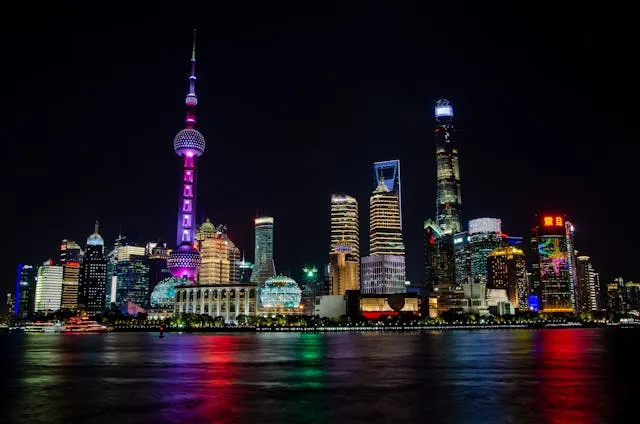
Shanghai Tower, Shanghai, China
Coming in at a close second, the Shanghai Tower stands at 632 meters (2,067 feet) and boasts not only height, but also a unique design that focuses on sustainability and energy efficiency. The building’s innovative double-skin facade helps regulate the indoor temperature, making it an important example of cutting-edge architecture and engineering in the 21st century.
Makkah Royal Clock Tower, Mecca, Saudi Arabia
The Kingdom Tower at 601 meters (1,975 feet) is the third tallest building in the world. This remarkable structure serves as a symbol of devotion for Muslims worldwide, as it is located in the holiest city in Islam, Mecca. The clock tower features a wide array of intricate designs, including a massive clock on the outside of the building and lavish interiors.
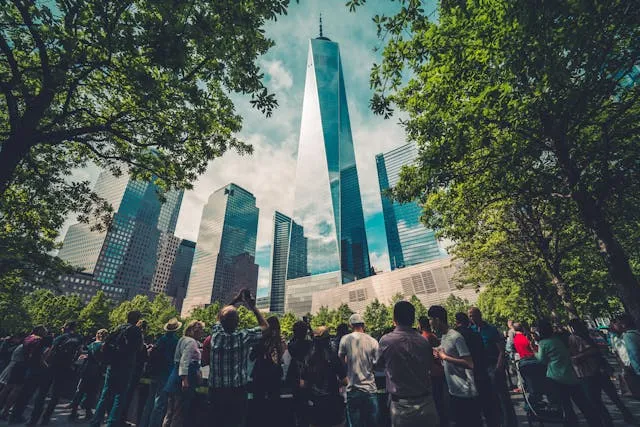
One World Trade Center, New York City, U.S.A.
With a height of 541 meters (1,776 feet), One World Trade Center stands as a proud monument of resilience and determination. The building, constructed to replace the twin towers lost during the 9/11 attacks, is the tallest building in North America. Designed by architect David Childs, the structure features three observation decks and pays homage to both the past and the future of the city of New York.
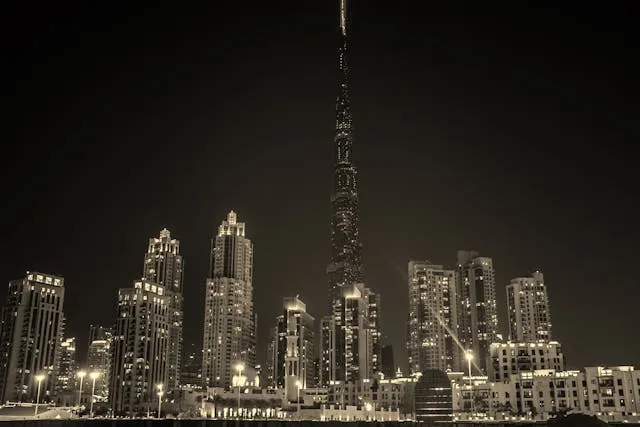
Ping An Finance Centre, Shenzhen, China
Also known as the Shenzhen International Airport Bilateral Cooperation Center, this 599-meter (1,965-foot) building has become a symbol of modern architecture in Shenzhen. The tower boasts an complex design that employs an oval-shaped form to increase structural stability, while also providing enough space for various attractions, including offices, hotels, and a shopping mall.
The Landmark, Hong Kong, China
The third tallest building in Hong Kong, The Landmark stands at a height of 588 meters (1,929 feet). With 84 floors, this luxury hotel and office building offers stunning views of the Victoria Harbour. The building’s impressive height and unique design perfectly showcase the city’s commitment to architectural innovation.
Jeddah Tower, Jeddah, Saudi Arabia
With construction ongoing, Jeddah Tower is slated to reach a height of 570 meters (1,869 feet) when completed. This mixed-use tower will include hotels, residential spaces, and office spaces, offering unparalleled views of the Jeddah Corniche. Designed by architectural firm Adrian Smith, the tower will be built primarily from a unique and lightweight steel alloy, representing a major breakthrough in material science.
Lotte World Tower, Seoul, South Korea
At 555 meters (1,818 feet), Lotte World Tower is not only a major piece of South Korean architecture, but an important representation of the country’s continued growth and prosperity. The tower features a unique design meant to mimic the latticework of a lotus flower, while offering the finest in shopping, dining, and entertainment experiences.
Guangzhou CTF Finance Centre, Guangzhou, China
Undoubtedly an engineering marvel, the Guangzhou International Finance Centre stands at 530 meters (1,740 feet) and ushers in a new era of architecture and design in southern China. Designed to resemble a glowing crystal, the building offers a mix of retail, office, and residential spaces, showcasing the best of modern engineering and style.
Taipei 101, Taipei, Taiwan
Coming in at a height of 508 meters (1,670 feet), Taipei 101 was the tallest building worldwide from 2004 until 2007. Located in one of Asia’s most vibrant cities, the building features an elegant exterior and interior design that pays homage to Taiwan’s rich culture and history. The structure is also designed to withstand the effects of earthquakes and typhoons, reflecting the country’s commitment to sustainability and stability.
To build a cityscape of such incredible structures, architects and engineers have needed to think outside the box while balancing practical considerations like sustainability and earthquake resistance. These top ten world’s tallest buildings are just the tip of the iceberg in terms of the incredible range of designs and achievements in modern architecture. With several more proposed projects on the horizon, future generations will have even more to marvel at and explore.


Discussion